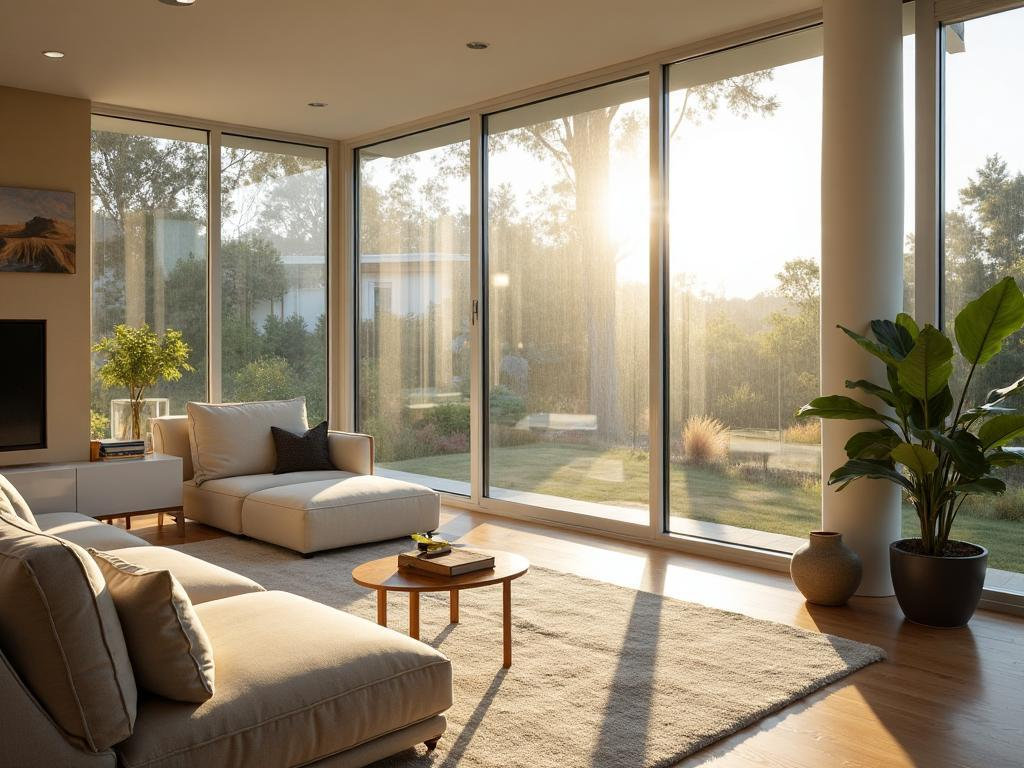
Large windows can make a home feel brighter and more open, but they can also create practical problems. Strong sunlight may cause glare on screens, heat up rooms, and expose furniture and flooring to prolonged UV radiation. Windows facing streets or neighboring properties can also make privacy harder to maintain.
Residential glass tinting offers a way to address several of these concerns without replacing the existing glass. Depending on the film selected, homeowners can reduce solar heat and glare, limit UV transmission, and change how much of the interior can be seen from outside.
The right film depends on the home’s windows, sun exposure, privacy requirements, and the appearance the homeowner wants to maintain.
What Is Residential Glass Tinting?
Residential glass tinting involves applying a thin window film to suitable glass surfaces. The film can be manufactured with different optical and solar-control properties, allowing it to serve different purposes.
Some films are designed primarily for solar control, while others focus on privacy or decorative appearance. There are also films that combine several characteristics.
For a home, the most common reasons for considering window film include:
- Reducing heat from direct sunlight
- Limiting glare
- Reducing UV transmission
- Increasing daytime privacy
- Changing the appearance of existing windows
- Making rooms more comfortable near large glass areas
Window film does not replace the glass itself. It modifies the way sunlight passes through the existing glazing.
How Residential Glass Tinting Can Improve Privacy
Privacy can become a concern when windows face sidewalks, roads, neighboring homes, or other occupied properties.
The appropriate film can reduce visibility through the glass, but the level of privacy depends on the type of film and the lighting conditions.
Frosted film
Frosted films diffuse the view through the glass. They are particularly useful where privacy is needed but natural light should still enter.
Common applications include:
- Bathroom windows
- Bedroom windows
- Entry doors with glass panels
- Street-facing areas
- Interior glass partitions
Reflective film
Reflective films can create a mirrored appearance under certain lighting conditions. They may provide useful daytime privacy when the exterior is brighter than the interior.
However, this effect can change after dark. Interior lighting can make the inside of a home more visible, so reflective film should not be treated as complete 24-hour privacy.
Dark or tinted film
Darker films reduce visible light passing through the window and can make it more difficult to see into a room. They may also reduce glare and solar heat, depending on the film’s construction.
The trade-off is reduced visible light, which may not suit every room.
Reducing Heat in Sun-Facing Rooms
A room with large windows can become noticeably warmer when exposed to direct sunlight for extended periods.
Solar-control window film can reduce the amount of solar energy transmitted through treated glass. This can be particularly relevant for:
- Living rooms with large windows
- Sunrooms
- Home offices
- Bedrooms with west-facing windows
- Homes with extensive glass doors
The amount of heat reduction varies according to the film, existing glass, window orientation, and local sun exposure.
Rather than selecting a film solely by how dark it looks, homeowners should look at its documented solar-control characteristics.
Managing Glare on Screens and Interior Surfaces
Direct sunlight can make television and computer screens difficult to view. Glare can also make certain parts of a room uncomfortable during specific hours of the day.
Residential glass tinting can reduce visible light transmission and, with the appropriate film, lower the intensity of glare.
For example, a home office with a desk positioned beside a bright west-facing window may benefit from a film that reduces glare without making the room excessively dark.
The same principle applies to living rooms where sunlight reflects onto television screens.
UV Protection for Furniture and Flooring
Sunlight can contribute to fading and deterioration of interior materials over time.
Furniture upholstery, wooden surfaces, carpets, curtains, artwork, and flooring may all experience changes after prolonged exposure to sunlight. UV radiation is one factor involved in this process.
Window films designed to reduce UV transmission can limit the amount of UV reaching the interior through treated glass.
This does not mean that furniture or flooring will never fade. Exposure duration, material composition, sunlight intensity, and other environmental conditions also influence fading.
For homes with valuable artwork, expensive furnishings, or large areas of sun-exposed flooring, UV reduction may be an important reason to consider film.
Choosing Film for Different Areas of the Home
Different rooms have different requirements.
Living rooms
Large living-room windows often need a balance between natural light, glare control, and solar heat reduction. A lighter solar-control film may be suitable when maintaining an open appearance is a priority.
Bedrooms
Privacy may be more important in bedrooms, especially when windows face neighboring properties. The film can be selected based on whether privacy is needed during the day or at all times.
Bathrooms
Frosted or opaque decorative films can provide privacy while allowing daylight into the room.
Home offices
Glare reduction can be particularly useful when computer screens are positioned near windows. Solar control may also help with temperature differences caused by direct sunlight.
Glass doors
Sliding and patio doors can create large areas of exposed glass. Film can be considered for solar control, privacy, or both, depending on the location.
Check Glass Compatibility Before Installation
Not every window film is appropriate for every type of glass.
Existing windows may use different glazing systems, including single-pane, double-pane, laminated, or tempered glass. The construction of the window should therefore be considered before a film is selected.
The film manufacturer or installer can assess compatibility and identify any relevant installation requirements.
This is particularly useful for homes with specialty glazing, insulated glass units, large panes, or unusual window constructions.
Professional Installation vs. DIY Application
Small DIY film projects may appear straightforward, but achieving an even finish across large residential windows requires careful surface preparation and application.
Dust or debris trapped beneath the film can remain visible. Incorrect handling can also lead to creases, bubbles, or uneven edges.
Professional installation generally involves:
- Inspecting the existing glass
- Measuring each window
- Selecting an appropriate film
- Cleaning and preparing the glass
- Cutting the film accurately
- Applying the film
- Removing excess moisture and air
- Inspecting the finished surface
For large windows or multiple rooms, professional installation can also make it easier to maintain a consistent appearance throughout the property.
How to Choose the Right Residential Window Film
Start with the problem you want the film to solve.
If a room is too hot, focus on solar-control specifications. If privacy is the main concern, consider frosted, reflective, or darker films based on the lighting conditions. If protecting interiors is the priority, examine the film’s UV-reduction performance.
Also consider:
- Window orientation
- Size of the glass
- Existing glazing type
- Desired interior brightness
- Privacy requirements
- Exterior appearance
- Installation conditions
- Film maintenance requirements
A film that works well on a bedroom window may not be the best choice for a bright living room or home office.
Frequently Asked Questions
Does residential glass tinting reduce heat?
Solar-control window films can reduce solar energy entering through treated glass. The result depends on the film’s specifications, the existing glazing, window orientation, and sunlight exposure.
Can window tinting provide privacy at night?
Privacy performance depends on the film and lighting conditions. Reflective films that provide strong daytime privacy may offer less privacy at night when indoor lighting is brighter than outside.
Does residential window film block UV rays?
Films designed for UV reduction can significantly reduce UV transmission through treated glass. The exact performance depends on the specific product.
Can I tint only some windows in my home?
Yes. Different rooms can use different films based on their exposure and requirements. For example, a home office may need glare control while a bathroom may need privacy.
Does residential glass tinting affect natural light?
It can. The effect depends on the film’s visible light transmission. Lighter films generally retain more daylight, while darker films reduce more visible light.
