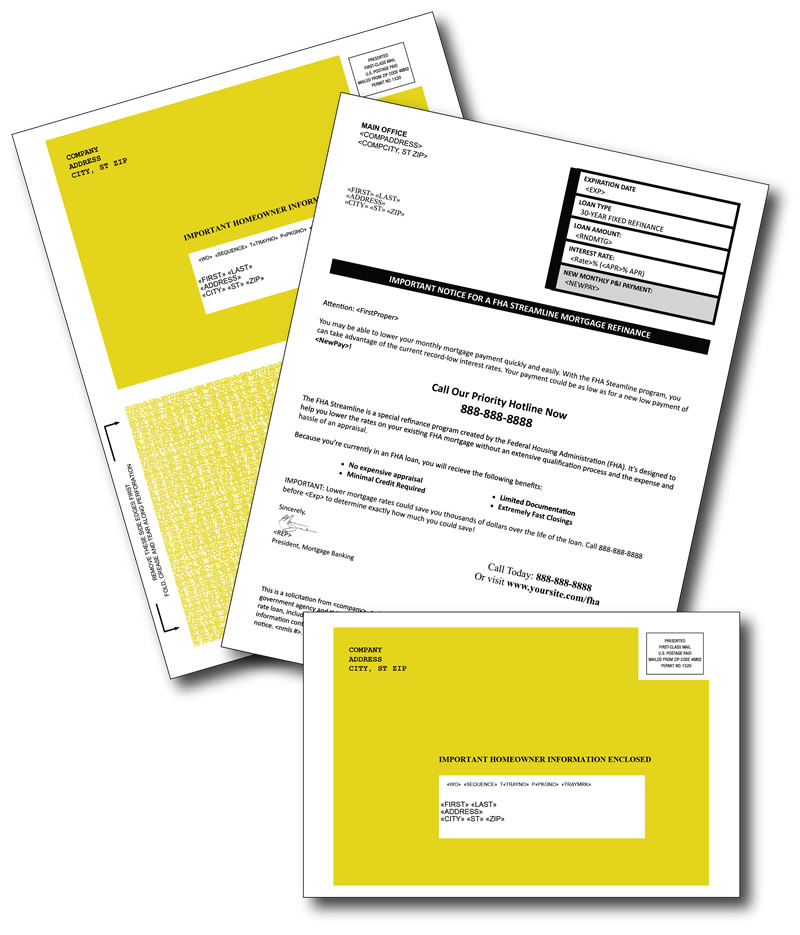
Banks, insurance companies, and healthcare providers send large volumes of documents containing account information, policy updates, billing details, and other important notices. A snap pack is a practical direct mail format that combines printed information into a folded, sealed document designed for delivery without a separate envelope. These organizations use snap pack mailers to distribute statements, payment notices, policy correspondence, and patient billing communications while maintaining document organization and supporting privacy requirements. With professional printing, accurate data handling, and reliable production workflows, organizations can make high-volume mailing more consistent. Providers such as iti Direct Mail help businesses manage the printing and mailing processes involved in these communications.
Why High-Volume Organizations Need Purpose-Built Mail Formats
Organizations that communicate with thousands of customers, policyholders, or patients must manage more than printing volume. Each document needs to contain the correct information, reach the intended recipient, and present the message clearly. Traditional letters may require separate envelopes, additional assembly, and careful matching of multiple pages.
A sealed, folded mail format brings the document and its mailing structure together. This reduces the need for separate envelope insertion and helps keep related information in one piece. It also gives recipients a consistent format for reviewing account details, payment instructions, coverage updates, or billing information.
For organizations with recurring correspondence, the format can support standardized document production. Teams can establish templates for different communication types, apply approved branding, and organize variable information according to the needs of each recipient.
However, the format alone does not guarantee confidentiality, delivery accuracy, or regulatory compliance. Those outcomes depend on data controls, production checks, mailing procedures, and the organization’s wider information security practices.
How Banks Use Mailers for Account and Payment Communications
Banks regularly send statements, transaction summaries, payment reminders, account notices, and other customer correspondence. Many of these documents contain personalized information that must be matched accurately to each account holder.
A snap pack mailer allows banks to present this information in a compact, sealed format. Account summaries, balances, transaction details, and payment instructions can be arranged in a clear reading order. This helps customers identify important information without sorting through separate sheets or loose inserts.
Banks can use this format for several communication needs:
- Account statements: Present balances, transaction records, fees, and account activity in an organized layout.
- Payment reminders: Communicate outstanding amounts, due dates, and approved payment instructions.
- Account notices: Deliver changes to account terms, service conditions, or other relevant information.
- Customer correspondence: Send personalized notices that require recipient-specific details.
Accuracy is especially important in financial communications. Before printing, banks should validate customer records, check variable data fields, and confirm that each document corresponds to the correct mailing record. Sample reviews and production reconciliation can help identify mismatched information before the full mailing is released.
Banks must also select appropriate security controls for the sensitivity of the information being sent. Sealed construction can reduce casual exposure during handling, but it should not replace encryption, access controls, secure file transfer, or other safeguards used throughout the production process.
How Insurance Companies Deliver Policy and Claims Information
Insurance providers communicate with policyholders at different stages of a policy’s lifecycle. Their correspondence may include renewal notices, premium statements, coverage summaries, claims updates, payment reminders, and requests for additional documentation.
A well-designed mailer keeps related information together and presents it in a consistent structure. For example, a renewal notice can identify the policy, summarize relevant coverage details, explain required actions, and direct the recipient to an approved channel for further assistance.
The format can also support personalized communications across different policy types. An insurer may maintain separate templates for automobile, property, life, or health insurance while following common standards for branding, readability, and document control.
For claims-related communications, the layout should make the purpose of the notice immediately clear. Recipients need to distinguish between a request for information, a claim status update, and a formal decision. Any required action should be stated plainly, with accurate contact details and clear instructions.
Insurers should coordinate document production with policy administration systems and approved mailing records. Particular care is necessary when documents contain information about multiple policies, household members, or claims. Quality checks should confirm that sensitive details appear only in the appropriate recipient’s communication.
How Healthcare Providers Send Billing and Administrative Notices
Hospitals, clinics, laboratories, and other healthcare organizations communicate with patients, members, and account holders about billing and administrative matters. These communications may include patient account statements, payment notices, benefits information, appointment-related correspondence, and requests to update administrative records.
A snap pack mailer can present billing information in a structured format that helps recipients understand their account. Charges, payments, adjustments, balances, and payment instructions can be grouped logically, making the document easier to review.
Healthcare organizations may use these mailers for:
- Patient billing statements: Organize account activity and outstanding balances for review.
- Administrative notifications: Communicate relevant account updates or documentation requirements.
- Benefits correspondence: Present approved information about coverage, eligibility, or related services.
Healthcare mailings require particular attention to confidentiality. Documents should contain only the information necessary for the intended communication, and the organization should verify recipient addresses before dispatch. Production teams must follow applicable privacy requirements, including relevant HIPAA obligations when protected health information is involved.
A sealed mailer does not automatically establish HIPAA compliance. Healthcare providers must assess the complete process, including the information shared with printing vendors, contractual safeguards, access permissions, document handling, and mailing controls.
What Makes the Printing and Mailing Process Reliable?
High-volume communications depend on coordinated production rather than printing capacity alone. A well-managed workflow connects data preparation, document design, printing, folding, sealing, verification, and dispatch.
Organizations using snap pack printing services should establish clear requirements before sending files to production. This reduces avoidable errors and gives the production team a consistent standard for preparing each mailing.
A reliable workflow generally includes the following steps:
- Prepare and validate recipient data. Remove duplicate records, correct incomplete addresses, and verify that personalization fields match the intended recipients.
- Approve the document design. Confirm page order, typography, required notices, branding, and the placement of variable information.
- Test the production file. Review sample documents for alignment, legibility, data accuracy, and correct folding and sealing specifications.
- Verify document matching. Use suitable production controls to check that each document is associated with the correct mailing record.
- Reconcile the completed mailing. Compare production records with dispatch information and investigate discrepancies before closing the job.
Organizations should also define who approves content changes, who can access recipient data, and how obsolete files are handled. These controls help prevent outdated notices, incorrect personalization, and unauthorized exposure of confidential information.
Choosing the Right Direct Mail Support for Sensitive Documents
Printing and mailing requirements vary across financial, insurance, and healthcare organizations. A suitable service provider should understand the physical requirements of the mail format as well as the importance of accurate variable-data production and secure document handling.
When evaluating snap pack direct mail services, organizations should examine the provider’s production capabilities, quality assurance procedures, file transfer methods, access controls, and ability to support their document specifications. They should also establish how errors are reported, how rejected files are handled, and how completed mailing records are reconciled.
iti Direct Mail can be considered for organizations seeking support with specialized direct mail printing and production. Before selecting a provider, businesses should confirm that its equipment, security practices, service scope, and operational procedures meet their specific requirements.
A useful evaluation should address three areas:
Production accuracy: Can the provider verify personalized content, page sequence, print quality, folding, and sealing?
Information security: Are recipient files transferred securely, access limited to authorized personnel, and retention and deletion practices documented?
Mailing accountability: Can the provider supply suitable production and dispatch records to support internal reconciliation and issue investigation?
Clear answers to these questions help organizations establish realistic expectations and reduce avoidable production problems.
Designing Communications That Recipients Can Understand
A technically accurate mailing still needs clear content. Customers and patients should be able to identify the purpose of a document, locate relevant details, and understand the next action without unnecessary effort.
Use descriptive headings, readable type, adequate spacing, and a logical sequence of information. Place account identifiers and document dates where recipients can locate them easily, while limiting the display of sensitive information to what is necessary. Payment instructions and required actions should be specific, and contact details should point to verified communication channels.
Organizations should also review accessibility and language needs. Plain wording, consistent terminology, and readable contrast can make important notices easier to understand for a wider range of recipients. For communications that require a response, provide clear instructions and explain which supporting information the recipient may need.
Templates should be reviewed whenever policies, regulations, billing procedures, or account processes change. Maintaining approved versions helps prevent outdated information from entering production.
Building a Dependable High-Volume Mailing Program
Banks, insurers, and healthcare providers rely on accurate correspondence to keep customers informed, support administrative processes, and communicate important account information. A well-planned mailing program combines an appropriate document format with careful data validation, clear design, secure handling, and documented quality checks.
Organizations should treat each mailing as part of a controlled communication process, not simply a printing task. Reviewing production requirements, establishing responsibility for approvals, and measuring document accuracy can improve consistency across recurring communications.
For organizations planning new mailing programs or reviewing existing workflows, it helps to work with a provider that understands the technical requirements of sealed document production. If your organization needs support with document preparation, printing, or mailing coordination, get in touch with us at iti Direct Mail to discuss your requirements and identify an appropriate production workflow.
A dependable process helps ensure that every document is prepared accurately, handled responsibly, and presented in a format recipients can use with confidence.
