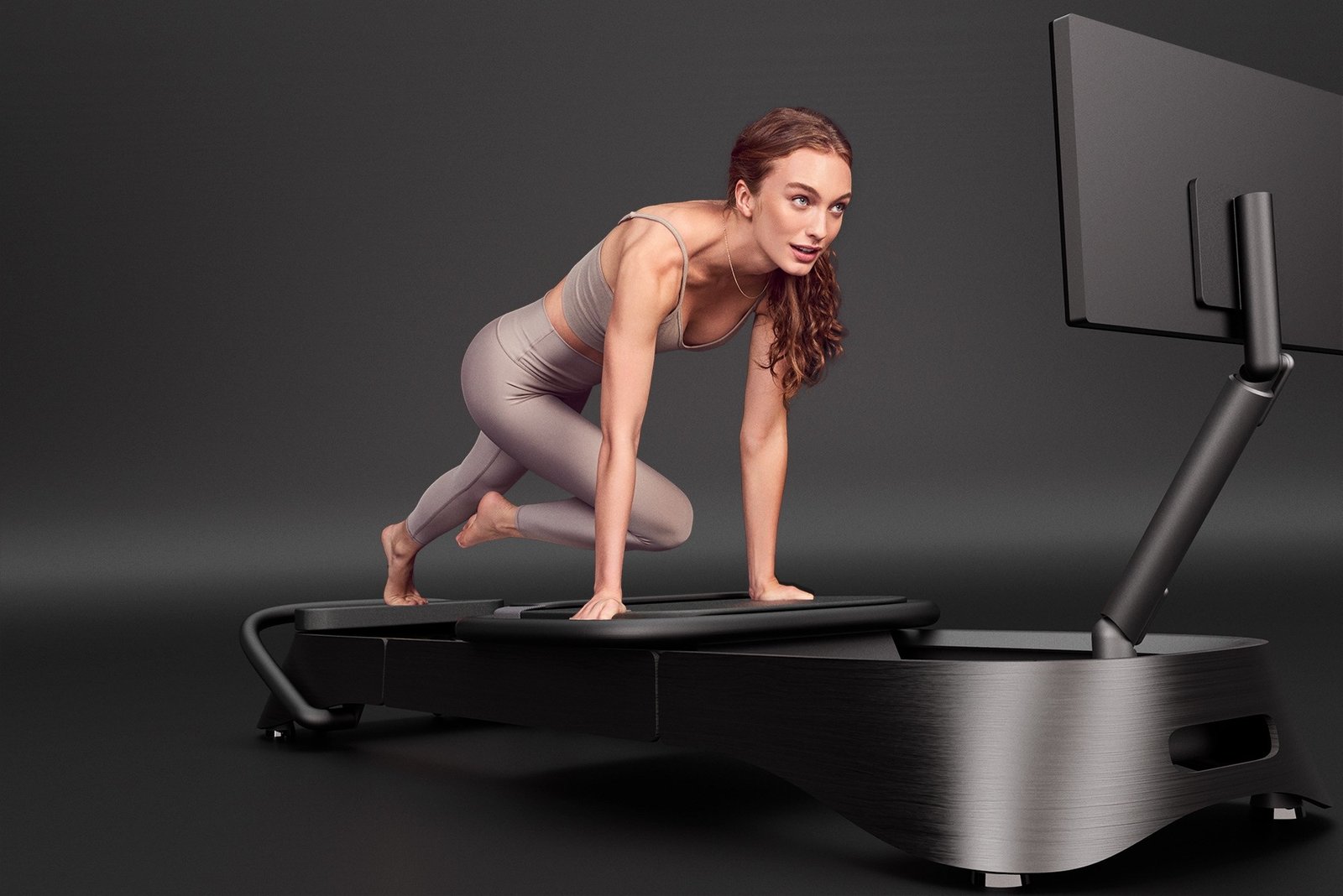
A home Pilates setup can look very different from one person to another. Some people want a simple way to stay active between busy workdays. Others want a dedicated workout area where they can spend more time developing strength, flexibility, balance, and control. The equipment that makes sense depends largely on how you prefer to exercise and what you want your sessions to accomplish.
Home Pilates machines can give your workouts more structure than a mat alone. They can also introduce resistance and support movements that may be difficult to perform comfortably without equipment. The right machine can make a home routine feel more organised while giving you plenty of room to progress as your abilities change.
Before choosing equipment, it helps to think beyond the appearance of a machine. Consider the exercises you enjoy, the amount of room available, how often you expect to train, and the type of resistance you prefer. A machine that suits your routine is far more useful than one that simply looks impressive in a workout room.
Understanding the Different Types of Home Pilates Equipment
Pilates equipment comes in several forms, and each type offers a different training experience.
A Pilates reformer is one of the most recognisable options. It generally features a moving carriage, springs for resistance, a footbar, and straps or ropes that can be used for a wide variety of movements. The carriage moves as you push or pull against resistance, allowing exercises for the legs, arms, core, back, and hips.
A Pilates chair takes up considerably less room and can provide challenging exercises that require strength and balance. It can be particularly useful for people who enjoy focused movements rather than long sequences involving a large machine.
There are also smaller Pilates accessories such as rings, resistance bands, balls, blocks, and rollers. These do not provide the same experience as a reformer, but they can add variety to mat based sessions without requiring a large amount of storage space.
For someone creating a home studio, combining a machine with smaller accessories can provide plenty of exercise options.
Choosing Equipment Based on Your Workout Style
Your preferred workout style should influence the type of Pilates equipment you bring home.
Some people enjoy slower sessions that focus on controlled movement and precise positioning. Others prefer sessions that move between exercises at a quicker pace. Some want to concentrate on their core, while others want more attention on their legs, hips, shoulders, or overall body strength.
A reformer can accommodate many of these preferences because the resistance and exercise setup can be changed for different movements. You can perform controlled footwork, upper body exercises, core movements, stretching sequences, and exercises that challenge balance.
For someone who mainly enjoys mat Pilates, purchasing a large machine may not be necessary. A comfortable mat and a few accessories may provide enough variety for regular sessions.
Think about the workouts you already enjoy. If you rarely use equipment at a gym, a large machine may require an adjustment period. If you enjoy resistance based Pilates classes and regularly use reformer equipment, having a machine at home may feel much more natural.
Home Pilates Machines for Strength Focused Workouts
Strength is one of the reasons people choose equipment based Pilates.
The resistance created by springs or other mechanisms can make familiar movements more demanding. Instead of relying entirely on body weight, you can work against controlled resistance while maintaining the deliberate movement patterns associated with Pilates.
A reformer can be useful for lower body exercises involving the feet and legs. Different foot positions can change how a movement feels, while the resistance can be adjusted according to the exercise and your experience.
Upper body exercises can also be performed using straps or handles. These movements can involve the shoulders, arms, upper back, and chest while requiring the torso to remain stable.
Core training is another major part of equipment based Pilates. Many reformer exercises require the trunk to stay controlled while the arms or legs move. This can make a relatively simple looking movement surprisingly demanding.
The goal is not necessarily to use the highest resistance available. Pilates relies heavily on control, positioning, breathing, and movement quality. Increasing resistance without maintaining those elements can make an exercise less useful.
Equipment for Flexibility and Mobility
Pilates is not limited to strength training.
Many exercises involve controlled ranges of motion and positions that encourage awareness of how different parts of the body move. Equipment can provide support or resistance that changes how you approach certain movements.
A reformer can be helpful for stretching exercises because the moving carriage can create a controlled range of movement. Depending on the exercise, straps can also help position the legs or arms while you focus on maintaining proper alignment.
Smaller equipment can also support mobility work. A Pilates ball can provide positioning assistance during certain exercises, while a roller can be incorporated into stretching and movement preparation.
People who spend long hours sitting may particularly appreciate having a dedicated space for movement at home. A short session can provide a break from a sedentary routine without requiring travel to a studio.
Home Pilates Machines for Beginners
Buying Pilates equipment as a beginner can feel confusing because many machines look similar at first glance.
A beginner does not necessarily need the most elaborate setup. In many cases, a machine with straightforward adjustments and clear instructions is easier to learn on.
Think about the learning curve before making a purchase. You should be able to understand how the resistance works, how the carriage or other moving parts operate, and how to adjust the machine to suit your body.
Instruction is also worth considering. A home machine does not automatically teach you how to use it safely. Beginners may benefit from professional instruction, especially when learning unfamiliar exercises.
Starting with basic movements can help you become comfortable with the equipment. There is no need to rush into advanced exercises simply because the machine allows them.
A gradual approach also makes it easier to recognise which settings feel comfortable and which exercises fit your ability level.
Equipment for Experienced Pilates Users
Experienced users may have different priorities.
Someone who has already spent years doing Pilates may want a machine that provides a wider range of exercises and adjustment options. They may also have a better understanding of resistance levels and the type of equipment they prefer.
For this type of user, the machine’s construction, carriage movement, spring options, footbar adjustments, rope system, padding, and overall dimensions may matter more than basic appearance.
It is also useful to think about how your current Pilates routine would translate to home use. If you regularly perform particular exercises in a studio, check whether the machine you are considering supports those movements.
A familiar setup can make the transition from studio sessions to home workouts much easier.
Considering the Space Available at Home
Space is one of the easiest things to overlook.
A Pilates machine may fit comfortably in a showroom but feel much larger once it is placed inside a bedroom, home gym, or living area. You need room not only for the machine itself but also for getting on and off it and moving your arms and legs during exercises.
Measure the available area before buying anything.
Consider ceiling height as well if your workout includes standing exercises or equipment that changes your body position significantly. Leave enough surrounding space to move without hitting furniture, walls, or other objects.
Storage is another consideration. Some home Pilates machines can be stored differently when not in use, while others are designed to remain in a dedicated position.
If your workout area has multiple uses, think carefully about how easily the equipment can coexist with the rest of the room.
Checking Construction and Adjustability
A home Pilates machine should feel stable during use.
Pay attention to the frame, carriage movement, padding, footbar, straps, wheels, springs, and adjustment mechanisms. These components affect how the machine feels during everyday workouts.
Adjustability is particularly useful when more than one person will use the same machine. Different users may require different settings for footbar position, resistance, rope length, or other components.
A machine that can be adjusted easily is more practical for a shared home workout space.
You should also consider the maximum user weight specified by the manufacturer and compare it with the needs of everyone who will use the equipment.
How Often Will You Use It?
Your expected workout frequency should influence your spending and equipment choice.
If you plan to use your machine several times a week, investing in equipment that feels comfortable and durable may make sense. You are likely to notice the quality of the carriage, padding, adjustments, and resistance system much more when you use the machine regularly.
Someone who expects to exercise once or twice a week may have different requirements.
There is also a psychological aspect to home equipment. A machine that is easy to access can remove some of the friction associated with exercising. You do not have to travel anywhere, wait for equipment, or arrange your schedule around a studio class.
However, simply owning equipment does not guarantee that it will be used. Choose a setup that makes you want to return to it.
Creating a Practical Home Pilates Routine
Once you have selected your equipment, consistency matters more than having an enormous collection of accessories.
A simple routine can include a warm up, several controlled exercises, focused core work, lower body movements, upper body exercises, and a gentle cool down.
You can vary your sessions throughout the week rather than repeating the same workout every time.
For example, one session could focus more heavily on legs and hips, while another could give more attention to the upper body and core. A lighter mobility focused session can provide variety without making every workout demanding.
Keep your sessions realistic. A routine that fits your schedule is easier to maintain than an ambitious plan that constantly gets postponed.
Safety and Proper Technique at Home
Home workouts require attention to technique because there may not be an instructor nearby to correct your position.
Start slowly and learn how each adjustment works before performing more complicated exercises. Check that straps, springs, footbars, and other components are properly secured before beginning.
Pain should not be treated as a normal part of exercise. If a movement causes sharp or unusual pain, stop and reassess the exercise. Anyone with an existing injury or medical concern should seek appropriate professional advice before beginning a new exercise programme.
Good technique is generally more valuable than trying to make every workout harder.
Making Your Home Pilates Space Comfortable
Your workout environment can affect how often you use your equipment.
Choose a location with adequate lighting and ventilation. Keep enough open space around the machine and remove objects that could interfere with movement.
A small storage area for accessories can prevent the room from becoming cluttered. You might also keep a towel and water nearby so you do not have to leave the workout area repeatedly.
The space does not need to look like a professional studio. It simply needs to be comfortable, functional, and easy to use.
Frequently Asked Questions
Are home Pilates machines suitable for beginners?
Yes. Beginners can use home Pilates machines, provided they learn how the equipment works and start with suitable exercises. Professional instruction can be useful when learning unfamiliar movements.
Is a Pilates reformer enough for a home workout?
A reformer can provide a wide selection of exercises for the whole body. Additional accessories can add variety, but they are not always necessary.
How much space do I need for home Pilates equipment?
The amount of space depends on the machine and the exercises you plan to perform. Measure the machine and allow additional room around it for safe movement.
Can I use home Pilates machines every day?
Some people can include Pilates in their daily routine, but the intensity should vary. Your body needs time to recover from demanding sessions, particularly when resistance is involved.
What should I look for in a home Pilates machine?
Look at construction, stability, adjustability, resistance options, padding, dimensions, storage requirements, and the types of exercises you want to perform.
Do home Pilates machines require maintenance?
Most equipment benefits from regular inspection and cleaning. Moving components, springs, straps, and other parts should be checked according to the manufacturer’s maintenance recommendations.
Can Pilates machines help with strength training?
Yes. Resistance based Pilates exercises can challenge the legs, arms, core, back, and other muscle groups while emphasising controlled movement.
Should I buy a large machine or start with smaller equipment?
That depends on your workout preferences, available space, and budget. Smaller accessories may be enough for someone who primarily enjoys mat Pilates, while a reformer can offer more equipment based exercise options.
How can I stay consistent with home Pilates?
Keep your equipment accessible, establish realistic workout times, and create sessions that fit your schedule. A manageable routine is easier to maintain than an overly demanding one.
Is home Pilates as effective as attending a studio?
The experience can be different, but home equipment can support a wide range of Pilates exercises. Results depend on factors such as consistency, exercise selection, technique, and individual goals.
A good home Pilates setup does not need to include every type of equipment available. The most useful choice is the one that matches the way you actually want to exercise. Consider your goals, available space, experience level, and preferred movements before making a purchase. With the right setup, a home workout area can become a comfortable place to practise Pilates regularly and develop your routine over time.
