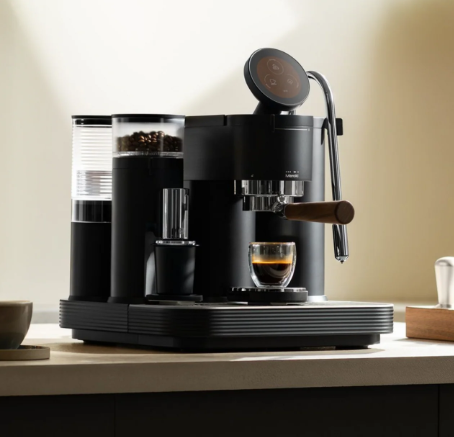
The Building Block for Making Specialty Coffee at Home For most people interested in making specialty coffee, the first step would be understanding how cafes manage to make their amazing coffees. Understanding how semi-automatic espresso machine works empowers home baristas to master every variable involved in the extraction process, from bean density to final cup clarity. Learning how the semi-automatic espresso machine works allows the home barista to understand all variables in the brewing process including the density of the beans used and the quality of the coffee produced. While the super-auto fully automatic machines perform everything, from grinding to brewing the coffee by just pressing one button, the semi-automatic espresso machine lets you have control over grind size, dose, distribution, and tamping pressure, leaving the complicated water temperature and pressure regulation to the machine. Involving yourself in the coffee making process allows it to become part of the culinary art that will be fun.
The First Essential Step: Grinding, Dosing, and Tamping
The most important process for creating an excellent shot of espresso occurs before water even comes in contact with the coffee bed during grinding and dosing of fresh coffee beans. Grinded coffee beans need to be fresh because their volatile aromas decay in minutes after being exposed to the ambient air. After determining the required amount of freshly grinded coffee, its distribution and tamping are to occur. Appropriate tamping results in a leveled puck of the coffee bed, providing a constant resistance when pressured water passes through the puck. In case the coffee bed is distributed unevenly or tamped off center, water will move along the path of least resistance, leading to micro-channeling and resulting in sour under-extracted flavors. Developing this manual technique takes practice, patience, and understanding of how grind fineness influences extraction time and flow rate. It is this physical experience which is so rewarding about home espresso brewing, allowing full control of the density, body, and flavor of your drink.
Water Temperature Management and Thermal Stability
After locking the portafilter into the group head, it then becomes the responsibility of the machine to perform the sophisticated operation of thermal management and water distribution. The reason why maintaining the water temperature is important is the fact that slight variations in the thermal process can ruin the balance of acids and sugars that are found in specialty coffee. Single boilers or heat exchanger and dual boiler systems control the heating process in order to provide water at the right temperature when it comes into contact with the coffee bed. The strict control of temperature helps prevent the bitterness brought about by overheated water and the sourness brought about by underheated water. Advanced machines have PID digital controllers that keep an eye on the heating process and make sure the temperature difference remains as low as a fraction of a degree. All this sophistication ensures that light roasts and dark coffees reveal their flavor profiles as expected.
Pressure and Fluid Dynamics in Coffee Extraction
Water pressure is the key to the process of removing soluble solids, oils, and micro-foamed gases from the tightly packed coffee puck, thus giving it its characteristic syrupy consistency. In a semi-automatic machine, the mechanism consists of a high-powered internal pump, which is either a vibration pump or a commercial rotary pump, pushing the water through the coffee at about nine bars of pressure. Such a particular level of pressure is scientifically considered to be the optimal one since it allows for breaking down coffee solubles but does not force bitter compounds to go to the cup. Once the pump starts working, water is pushed through the coffee bed and the process of making espresso begins with the formation of crema above the liquid. Flow rate control and manual or programmable volume control help determine when the required quantity of the coffee is extracted from the puck.
See also: The Digital Essentials Every Mumbai Business Needs
Milk Texturing Techniques and Completion of the Process
It is impossible to have an espresso brewing station without having a capacity to create microfoamed milk to prepare lattes, flat whites, and traditional cappuccinos. After making an espresso, the machine steam wand releases high-pressure dry steam from a separate boiler or heater within the machine. Milk texturing is a unique skill which consists in placing the steam nozzle slightly under the surface of the milk to make it swirl in the air in order to create a vortex. This texturing technique makes large bubbles break down into billions of microscopic bubbles, thus creating a glossy paint-like finish and velvety taste of the milk. When the milk is foamed perfectly, you can make latte art using it together with the freshly brewed espresso.
Complete Instructions on How to Choose Appropriate Equipment
Getting lost in the wide array of available coffee equipment in the domestic segment may prove a difficult experience for both newbies and experienced coffee aficionados due to multiple technical considerations one needs to take into account. Comprehensive resources like an expert espresso machine guide provide invaluable clarity, breaking down complex engineering concepts into digestible, actionable advice. When choosing between various pump types, boiler systems, grind settings, among others, you have all necessary information on how to make a sensible purchase decision. Additionally, knowledge of maintenance procedures such as group heads backflushing, boiler descaling, steam wand cleaning, etc. will ensure perfect performance of your equipment for many years. Thus, by getting acquainted with the technical features and peculiarities of your equipment, you preserve your investment and gain access to a unique specialty coffee preparation opportunity at home.
