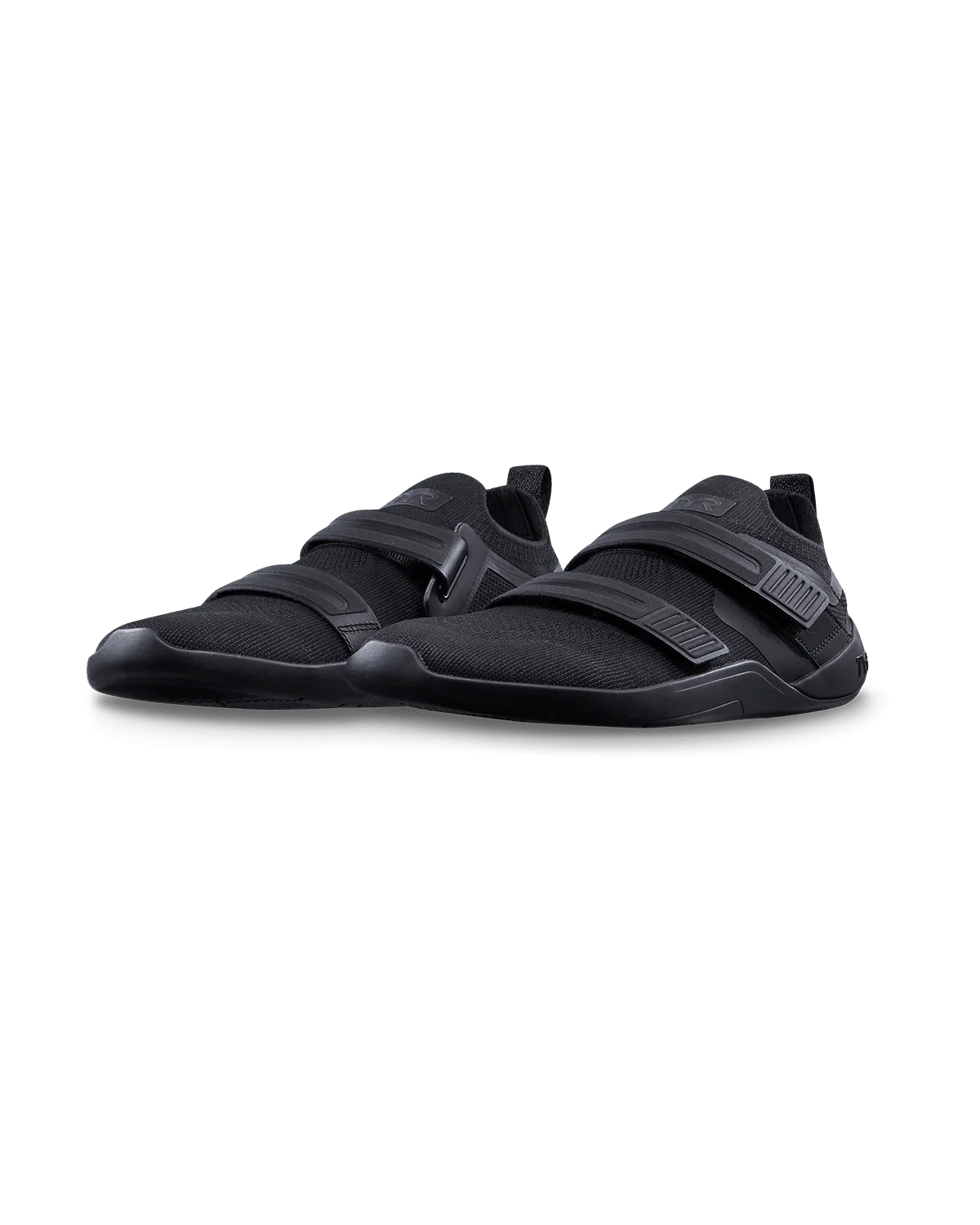
Choosing training shoes starts with understanding how you exercise. Footwear designed for heavy lifting has different requirements from shoes intended for running, circuit training or general gym sessions. Sole construction, heel height, grip, flexibility and fit can all affect how a shoe feels during movement. Selecting a suitable pair means matching these features to your training priorities rather than choosing by appearance alone.
TYR offers several footwear categories, including cross-training shoes, weightlifting shoes, running shoes and minimalist trainers. Each serves a different purpose, so comparing their design features can help narrow your options. Before you buy TYR shoes, consider the movements you perform most often, the surfaces you train on and the level of support you prefer.
Start With the Type of Training You Do
Your regular training routine provides the clearest starting point for choosing footwear. A session built around barbell lifts places different demands on your shoes than one involving treadmill running, jumps and quick changes of direction. Some activities benefit from a firm, stable platform, while others require cushioning and flexibility. Identifying your main training activities helps you avoid paying for features that do little for your needs.
TYR’s footwear collection includes options for several training styles. Cross-trainers suit varied gym activities, lifters are designed for weightlifting, runners cater to running sessions, and minimalist trainers offer a lower-profile feel. If your routine combines several disciplines, consider which activity requires the most specific footwear. You may also decide that separate pairs are more suitable than relying on one shoe for every session.
Cross-Training Shoes for Mixed Workouts
Cross-training shoes are designed for workouts that combine different types of movement. Depending on the model, these sessions may include resistance exercises, short conditioning intervals, lateral movements and bodyweight exercises. A useful cross-trainer balances stability with enough flexibility for varied movements. Its outsole should provide suitable traction, while the upper should hold the foot securely without creating uncomfortable pressure.
When comparing cross-training footwear, pay attention to these features:
- Stable base: A supportive platform can help you maintain a consistent foot position during strength exercises.
- Traction: The outsole should provide suitable grip for the surfaces and movements involved in your workouts.
- Secure fit: The heel and midfoot should feel held in place without excessive tightness.
- Flexibility: The shoe should allow the movements required by your training routine.
- Upper construction: Breathable materials and suitable reinforcement can influence comfort and durability.
TYR’s trainer range includes models developed for functional fitness and gym training. Compare individual product specifications rather than assuming every cross-trainer has identical characteristics. For frequent changes between strength and conditioning exercises, the best choice is one that suits the movements you perform most often.
Weightlifting Shoes Need a Stable Platform
Weightlifting shoes are designed around the demands of loaded lifts. Many feature a raised heel and a firm sole, helping lifters establish a consistent foot position during exercises such as squats, cleans and snatches. The elevated heel changes the ankle angle available during a squat, which may help some lifters maintain their preferred torso position. However, the effect depends on individual mobility, technique and the exercise being performed.
Stability matters because a soft, highly compressible running shoe may feel less predictable under a heavy load. Dedicated lifting footwear generally prioritises a firm base over the cushioning needed for repeated running. Straps, laces and heel construction also influence how securely the foot sits inside the shoe.
Before choosing weightlifting shoes, assess the following:
- Heel height: Consider your mobility, lifting technique and preferred squat position.
- Sole firmness: Look for a platform designed to remain stable under load.
- Foot lockdown: Laces and straps should help limit unwanted movement inside the shoe.
- Toe-box space: Your toes should have enough room without the rest of the foot slipping.
- Intended use: Check whether the model is designed for weightlifting rather than general gym training.
TYR’s lifting collection includes dedicated lifters with different design features. Compare the specifications of each model and consider your lifting experience before making a decision.
Running Shoes Are Built for Repeated Forward Movement
Running places repeated impact and loading demands on the feet. Running shoes commonly use cushioning systems intended to manage these forces while providing a suitable balance of comfort, flexibility and responsiveness. The appropriate level of cushioning depends on the runner, distance, pace and surface. A shoe that feels comfortable during a short run may not feel the same over a longer distance.
Running footwear differs from many lifting shoes because it generally prioritises movement through repeated strides rather than a firm platform for heavy loads. It may be suitable for treadmill sessions, road running or structured running workouts, depending on its design. Check the product description for the intended running use rather than assuming all running shoes are interchangeable.
For a routine that includes substantial running alongside strength training, consider whether two pairs would serve you better. A dedicated running shoe can be selected for mileage and comfort, while a cross-trainer or lifter can be reserved for gym work. This approach allows each pair to suit the demands of its intended activity.
Minimalist Trainers Offer a Different Footwear Feel
Minimalist workout shoes generally have a lower-profile construction and a greater emphasis on ground feel than heavily cushioned trainers. Some use a zero-drop platform, meaning the heel and forefoot sit at the same height relative to the ground. TYR’s DropZero range includes barefoot-style trainers designed around a wide toe box and flexible sole construction.
These features may appeal to people who prefer more room for toe movement and a closer connection to the training surface. However, minimalist footwear is not automatically the right choice for every athlete or exercise. Moving from heavily cushioned shoes to a minimal design changes the demands placed on the feet and lower legs, so a gradual transition is sensible.
When assessing minimalist trainers, consider:
- Heel-to-toe drop: Check whether the shoe has a zero-drop platform or another configuration.
- Toe-box shape: Make sure the toes can spread comfortably without the foot sliding.
- Sole flexibility: Consider how much bending and ground feedback you want during training.
- Training demands: Match the design to your exercises and experience with minimalist footwear.
- Adaptation: Increase use gradually if the shoe feels substantially different from your current pair.
A minimalist design should feel appropriate for your intended movements, not simply different from a conventional trainer.
Fit, Comfort and Stability Matter
Even a shoe designed for the right activity may be unsuitable if it does not fit properly. Foot length, forefoot width, arch shape and individual comfort preferences all influence how footwear feels. A secure fit should limit unnecessary movement without squeezing the toes or creating pressure across the top of the foot. Allow enough room at the front while checking that the heel stays comfortably in place.
Try shoes on with the socks you normally wear for training, and assess both feet because they may differ slightly in size. Check the manufacturer’s size chart and follow any model-specific sizing guidance. If you need additional room around the forefoot, compare wide-fit options rather than automatically choosing a longer size.
Clothing choices can also be considered separately from footwear. For instance, mens lycra leggings may suit certain training preferences, but compression clothing does not determine which shoe construction is appropriate. Footwear should be selected according to fit, movement and training requirements.
For further product details, sizing information and available styles, visit the official TYR store.
Match the Shoe to Your Main Priorities
Once you understand the main footwear categories, compare the options against your training needs. Avoid treating a single feature, such as cushioning or heel height, as a universal measure of quality. The useful question is whether the design supports the movements you perform and feels comfortable throughout the session.
Use this checklist when comparing models:
- For mixed gym sessions: Prioritise traction, secure fit and a stable platform with suitable flexibility.
- For heavy lifting: Examine sole firmness, heel construction and foot lockdown.
- For running: Compare cushioning, fit and the intended distance or running conditions.
- For minimalist training: Review heel drop, sole flexibility and toe-box shape.
- For wider feet: Check available fit options and the shape of the forefoot.
- For frequent training: Consider construction, expected use and how easily the shoes can be maintained.
You should also review the product page for material details, available sizes, care instructions and return conditions. These practical details help you compare the full purchase rather than focusing only on the headline features.
Should You Choose One Pair or Separate Training Shoes?
One pair may be suitable if your workouts are relatively consistent and the shoe is designed for those activities. A versatile cross-trainer can cover a range of gym movements, although it may not offer the specialised construction preferred for dedicated weightlifting or regular running. The more varied your training becomes, the more useful it can be to evaluate footwear by activity.
Separate pairs can make sense when your routine includes distinct demands. Running shoes can be reserved for running, while lifting shoes provide a firm platform for barbell work. Minimalist trainers offer another option for people who prefer their particular construction and feel. Your decision should reflect how often you perform each activity, your comfort requirements and your budget.
Conclusion
Choosing TYR footwear is easier when you begin with the purpose of the shoe rather than its appearance. Cross-trainers, lifters, running shoes and minimalist trainers have different design priorities, so compare their features against your regular activities. Check fit, stability, flexibility and product-specific sizing guidance before purchasing. A suitable pair should meet the demands of your training routine while remaining comfortable and secure during use.
Explore the TYR footwear collection to compare available categories and product specifications. If you need help with a product or order, you can contact TYR for customer service assistance.
Frequently Asked Questions
1. How do I choose the right TYR shoes for my workouts?
Start by identifying your main activity. Cross-trainers suit mixed gym sessions, weightlifting shoes prioritise stability under load, running shoes are designed for repeated strides, and minimalist trainers offer a lower-profile feel. Compare fit and product specifications before deciding.
2. Can I use TYR training shoes for weightlifting?
Some TYR cross-training shoes are designed to support gym exercises, including lifting. However, dedicated weightlifting shoes may offer a firmer platform and raised heel. Review the model’s intended use and features to decide which type suits your training.
3. Are minimalist workout shoes suitable for beginners?
They may suit some beginners, but the transition requires care, particularly if you normally wear heavily cushioned footwear. Start with short periods of use and increase gradually according to comfort. Consider your training demands and seek professional advice if you have foot pain or specific concerns.
4. How should TYR shoes fit?
Your shoes should hold the heel and midfoot securely while allowing comfortable room for the toes. Check both feet, try the shoes with your usual training socks and consult the size chart for the specific model. Avoid choosing a size based on length alone if you need more forefoot width.
5. Where can I compare TYR footwear options?
You can browse the TYR footwear collection to compare available training, lifting, running and minimalist styles. Read the individual product descriptions for sizing, construction and intended use.
