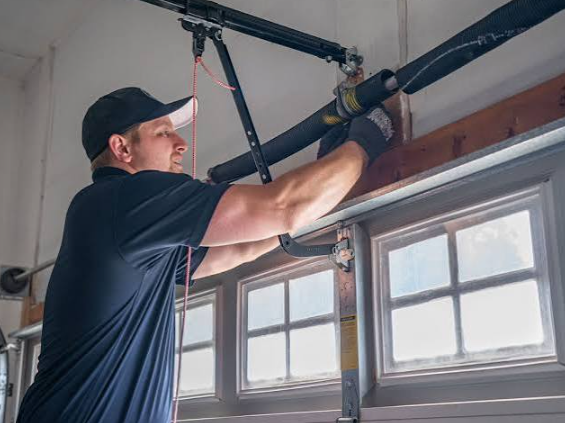
When your garage door refuses to open before work or will not close at the end of the day, it can quickly become a frustrating problem. You may be dealing with something simple, such as a dead remote battery, or a more serious issue involving the opener, springs, cables, or tracks.
For homeowners searching for garage door repair Long Island, understanding the possible causes can help you identify a problem and decide what to do next. Some issues can be checked safely without tools, while others require professional attention to prevent injury or additional damage.
In this guide, we will cover the most common reasons garage doors stop working, simple troubleshooting steps, warning signs you should not ignore, and when to contact a professional.
1. Check the Garage Door Opener’s Power Supply
If your garage door does not respond to the remote, wall button, or keypad, start by checking whether the opener has power.
A disconnected plug, tripped circuit breaker, or power interruption can prevent the opener from operating. If the opener’s lights are off and the motor makes no sound, a power issue may be responsible.
What you can do:
- Check whether the opener is plugged into its outlet.
- Check the electrical panel for a tripped breaker.
- Look for signs of a power outage or another electrical issue.
- If the opener has power but remains unresponsive, consult its owner’s manual or arrange professional troubleshooting.
Do not open the motor housing or handle exposed wiring. If a breaker repeatedly trips or you notice a burning smell, stop and contact a qualified professional.
See also: How Home Builders Port Macquarie Bring Your Building Plans to Life
2. The Remote Control or Keypad Is Not Working
Sometimes the garage door itself is fine, but the device you use to operate it is not communicating with the opener.
Dead batteries are a common cause. Other possibilities include lost programming, a damaged remote, a faulty keypad, or interference with the signal.
What you can do:
- Replace the remote or keypad batteries if needed.
- Try the wall-mounted control to see whether the door responds.
- If the wall control works but the remote does not, consult the manufacturer’s instructions for testing or reprogramming the remote.
- Check whether the wall control has a lock or vacation mode that disables remote operation.
If none of the controls work, the issue may involve the opener’s power supply, wiring, or internal components.
3. The Safety Sensors Are Dirty or Misaligned
If your garage door opens normally but refuses to close, the safety sensors are one of the first things to check.
Most modern residential garage door openers use photoelectric safety sensors near the bottom of the door opening. These sensors send an invisible beam across the opening. If something blocks the beam or the sensors are misaligned, the opener may prevent the door from closing or reverse it while moving downward.
Dust, cobwebs, moisture, loose wiring, or an object in the doorway can interfere with sensor operation.
What you can do:
- Remove objects that may be blocking the doorway.
- Gently wipe the sensor lenses with a soft, clean cloth.
- Check whether the sensor indicator lights appear normal for your opener model.
- Look for visible damage to the sensor brackets or wiring without touching exposed electrical connections.
If the sensors remain misaligned or the door continues reversing, professional troubleshooting may be necessary.
Never bypass the safety sensors or force the door to close when the system indicates a possible obstruction.
4. A Garage Door Spring Has Broken
Garage door springs counterbalance the weight of the door so it can open and close with assistance from the opener. When a spring breaks, the door may become too heavy for the opener to lift.
Common warning signs include:
- A loud bang from the garage.
- A visible gap in a torsion spring above the door.
- A door that will not open or rises only a few inches.
- An opener that strains or hums without lifting the door.
- A door that appears unusually heavy or uneven.
A broken spring is not a minor adjustment. Springs store substantial mechanical energy, and attempting to repair or replace one without the appropriate training and tools can cause serious injury.
What you should do: Stop operating the opener and keep people away from the door. Do not attempt to lift the door manually or handle the spring assembly. Arrange professional garage door spring repair.
5. The Garage Door Cables Are Damaged
Garage door cables work with the spring system to help lift and lower the door. If a cable frays, snaps, or comes loose, the door may stop moving properly.
You might notice that one side of the door hangs lower than the other, the door looks crooked, or the cables appear slack.
Cable problems can also affect other hardware, including drums, rollers, and tracks. Continuing to operate the door may make the damage worse.
What you should do: Stop using the garage door if it appears crooked or a cable is damaged. Do not pull on the cable or try to reposition it yourself. A technician can inspect the cable and spring system and determine what needs repair.
6. The Garage Door Has Come Off Its Tracks
Garage doors move along metal tracks that guide the rollers. If a track bends, a roller fails, or an impact shifts the door out of alignment, the door may jam or become stuck at an angle.
Common symptoms include grinding noises, jerky movement, visible gaps between rollers and tracks, or a door that stops partway through its travel.
An off-track door can be unstable, especially if the cables or springs are also damaged.
What you can do: Stop operating the door and keep the surrounding area clear. Do not force the door back into its tracks or loosen the track brackets. A professional should inspect the door, rollers, tracks, cables, and supporting hardware before it is used again.
7. The Garage Door Opener Has a Mechanical Problem
If the opener has power but the door will not move, an internal mechanical or electrical fault may be responsible.
Possible issues include worn drive gears, a damaged trolley, a faulty circuit board, or a problem with the motor. The symptoms can vary depending on the type of opener and the component that has failed.
For example, the motor may run without moving the door, or the opener may make a humming sound without completing the opening cycle.
However, an opener that struggles to lift the door may be reacting to a broken spring or another mechanical problem with the door itself.
What you should do: Avoid repeatedly activating the opener. A technician can inspect the opener and the door’s mechanical components to determine whether a repair or replacement is appropriate.
8. The Door’s Travel Limits or Settings Are Incorrect
Garage door openers use travel settings to determine how far the door should move when opening and closing. If those settings are incorrect, the door may stop before reaching the floor or reverse unexpectedly.
This problem can sometimes develop after adjustments, repairs, or changes in the door’s operation.
Possible signs include:
- The door closes almost completely but leaves a gap.
- The door opens only partway.
- The opener stops the door before it reaches its normal position.
- The door reverses even when there is no visible obstruction.
Some openers allow homeowners to adjust travel settings, but the correct procedure varies by model. Before changing anything, consult the manufacturer’s manual. Incorrect force or travel adjustments can interfere with the opener’s safety functions.
If the door is binding, moving unevenly, or showing signs of spring or cable damage, do not attempt to correct the problem through opener settings alone.
9. The Garage Door Is Manually Locked or Disconnected
A manual slide lock can prevent the door from moving even when the opener is working. Some homeowners accidentally engage the lock and then activate the opener, which can strain the system.
Another possibility is that the opener’s trolley has been disconnected using the emergency release mechanism.
What you can do:
- If you can safely view the door’s interior, check whether a manual lock is engaged.
- Consider whether someone may have used the emergency release.
- Consult your opener’s instructions for the correct way to restore normal operation.
Do not pull the emergency release cord while the door is open or appears unstable. If a spring or cable has failed, disengaging the opener can allow the door to fall. If you are unsure whether the door is properly supported, leave it alone and call a technician.
Quick Troubleshooting Guide
Use this table to connect common symptoms with possible causes and appropriate next steps.
| Garage door symptom | Possible cause | Recommended next step |
| Nothing happens when you press the remote | Dead batteries, power issue, or opener fault | Check the batteries and power supply |
| Door opens but will not close | Obstructed or misaligned safety sensors | Clear obstructions and gently clean sensor lenses |
| Door starts closing, then reverses | Sensor issue, obstruction, or excessive resistance | Check the doorway and sensors |
| Motor runs but the door does not move | Disconnected trolley, damaged drive gear, or mechanical fault | Stop repeated operation and arrange an inspection |
| Door is unusually heavy | Broken spring or counterbalance problem | Stop using the door and call a technician |
| Door hangs crooked | Damaged cable, spring, roller, or track | Keep clear and arrange professional repair |
| Door stops before fully opening or closing | Travel settings, obstruction, or mechanical resistance | Check for obvious obstructions and consult the manual |
| Loud bang followed by a door that will not open | Possible broken spring | Stop using the opener and arrange service |
These symptoms can overlap, so the table should be used as a starting point rather than a definitive diagnosis.
What to Do When Your Garage Door Is Stuck Open
A garage door that will not close can leave your home or belongings exposed. If this happens, focus on safety first.
Check for visible obstructions and look at the safety sensors from a safe position. If the door is moving unevenly, appears crooked, has a loose cable, or may have a broken spring, stop troubleshooting and keep people away.
Do not force the door down or try to disconnect the opener if the door may be unsupported. Contact a garage door repair professional and explain that the door is stuck open so they can assess the situation.
If you need to leave before help arrives, consider whether you can safely secure other entrances to your home without approaching the unstable door.
What to Do When Your Garage Door Is Stuck Closed
When a garage door will not open, first determine whether the opener has power and whether the remote or wall control responds.
If the opener appears to be working but the door will not lift, a broken spring, damaged cable, or mechanical obstruction may be responsible. Avoid repeatedly pressing the opener button, as this can strain the system.
Do not attempt to lift a heavy door or use the emergency release as a shortcut when the door may be under abnormal tension. If your vehicle is trapped inside, tell the service provider when requesting assistance.
When Should You Call a Garage Door Repair Professional?
Basic checks, such as replacing remote batteries or removing an object from the doorway, may resolve some problems. Other symptoms require professional attention.
Arrange service if:
- You suspect a broken spring or damaged cable.
- The door is off its tracks or hangs unevenly.
- The opener strains, hums, or repeatedly stops.
- The door reverses despite a clear doorway and clean sensors.
- The door makes new grinding, banging, or scraping noises.
- The door has sustained impact damage.
- Simple checks do not resolve the problem.
A professional inspection can identify the underlying cause instead of treating only the symptom. It can also reveal related damage that may affect the door’s safe operation.
How Sumo Garage Doors Can Help
When your garage door will not open or close, guessing at the cause can waste time and potentially make the problem worse. The right repair starts with identifying which component is failing.
Sumo Garage Doors provides garage door repair and troubleshooting services across Long Island, including Nassau and Suffolk County. Its service offerings include diagnosing problems involving springs, openers, tracks, sensors, and cables.
If your door is stuck, moving unevenly, or making unusual noises, you can visit the Sumo Garage Doors Long Island repair page to learn more about available services.
Before approving a repair, ask the technician to explain the problem, outline the recommended work, and provide a written estimate. Understanding what needs attention helps you make an informed decision about your garage door.
Frequently Asked Questions
1. Why won’t my garage door open when I press the button?
Common causes include a dead remote battery, a disconnected power supply, a broken spring, a damaged opener, or a disconnected trolley. Check the remote batteries and opener power first. If the door is unusually heavy or the motor strains without lifting it, stop using the opener and arrange professional service.
2. Why does my garage door open but not close?
A dirty or misaligned safety sensor is a common reason. The opener may also detect an obstruction, resistance, or a problem with its travel settings. Check for objects blocking the doorway and gently clean the sensor lenses. If the door continues reversing, arrange an inspection.
3. Why does my garage door close and then open again?
The opener may be detecting an obstruction or receiving an incorrect signal from its safety sensors. Damaged tracks, rollers, or incorrect travel settings can also contribute. Do not bypass the safety system to force the door closed.
4. Can I manually open my garage door if the opener is not working?
Manual operation may be possible when the door is fully closed, the spring and cable system is intact, and the door is otherwise safe to move. However, if the door is stuck open, unusually heavy, crooked, or suspected of having a broken spring, do not attempt to disengage or lift it. Contact a professional for guidance.
5. How do I know if my garage door spring is broken?
A loud bang, a visible gap in a torsion spring, a door that will not lift, or a door that suddenly feels very heavy can indicate a broken spring. These signs warrant professional inspection. Do not touch or attempt to repair the spring.
6. Why is my garage door opener humming but not opening the door?
The opener may have a mechanical fault, such as a damaged drive gear, or it may be struggling against a heavy door. A broken spring can also prevent normal operation. Stop repeatedly activating the opener and have the system inspected.
7. How much does garage door repair cost on Long Island?
The cost depends on the cause of the problem, the parts needed, labor, and whether the door has additional damage. A sensor issue may require a relatively minor repair, while spring, cable, track, or opener problems can cost more. Request a written estimate for pricing specific to your door.
8. Should I repair or replace my garage door opener?
Repair may be appropriate when the problem involves a replaceable component and the opener is otherwise in good condition. Replacement may make more sense if the unit is aging, has recurring failures, or requires extensive repairs. A technician can evaluate the opener and check that the door itself is operating correctly before recommending either option.
