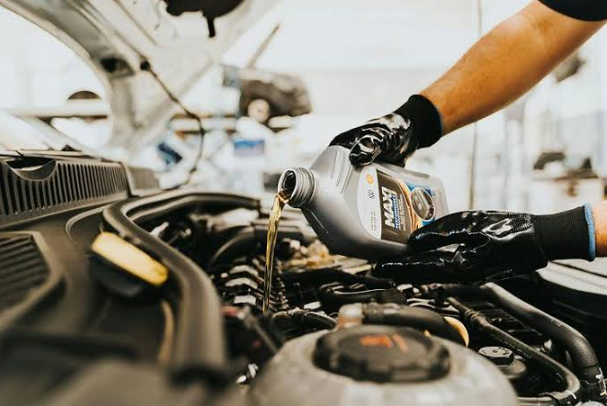
Regular oil changes are one of the simplest ways to protect your car’s engine and keep it running reliably. Engine oil lubricates moving parts, helps manage heat, and carries dirt and other contaminants toward the oil filter. Over time, the oil loses some of its effectiveness, making routine maintenance essential.
But how often should you actually change your oil? Should you follow the old rule of every 3,000 miles, or can you wait longer?
The answer depends on your vehicle, the type of oil it requires, and your driving habits. For drivers looking for an oil change in Avenel NJ, understanding these factors can help you follow the right maintenance schedule without paying for unnecessary service or risking avoidable engine wear.
In this guide, we will explain recommended oil change intervals, signs that your car may need fresh oil, and how regular maintenance can help protect your engine.
How Often Should You Change Your Car’s Oil?
For many modern vehicles, oil changes are commonly scheduled somewhere around 5,000 to 7,500 miles. Some vehicles allow longer intervals, while others require more frequent service.
Your vehicle manufacturer’s maintenance schedule should always take priority over a general mileage recommendation.
Several factors influence the correct interval:
- The make, model, and engine type of your vehicle
- The type and specification of engine oil required
- Your typical driving conditions
- The vehicle’s age and mileage
- Whether your car has an oil-life monitoring system
For example, a vehicle that spends most of its time on open highways may have different maintenance needs from one that frequently makes short trips through stop-and-go traffic.
If your vehicle has an oil-life monitor, pay attention to its alerts and follow the manufacturer’s instructions. Do not assume that every car using synthetic oil can safely follow the same extended interval.
See also: From Searching to Deciding: How Smart AI Search Apps Simplify Everyday Life
Recommended Oil Change Intervals by Oil Type
Different types of motor oil have different characteristics, but the oil type alone does not determine how long you can wait between services.
| Oil type | General planning guideline | What to keep in mind |
| Conventional oil | Often around 3,000 to 5,000 miles in applications with shorter service intervals | Follow the vehicle manufacturer’s specified interval |
| Synthetic blend oil | May be suitable for intervals around 5,000 to 7,500 miles in some vehicles | The required oil specification and driving conditions still matter |
| Full synthetic oil | Some vehicles allow intervals of 7,500 to 10,000 miles or longer | Use only oil that meets the manufacturer’s requirements and follow the approved schedule |
These ranges are general examples, not universal recommendations. Some vehicles require full synthetic oil, and others have specific mileage or time limits that should not be exceeded.
Switching to a different oil type does not automatically extend your vehicle’s approved service interval. Check your owner’s manual before making changes.
6 Factors That Affect How Often You Need an Oil Change
1. Your Daily Driving Habits
How you use your car can affect how quickly the engine oil deteriorates.
Frequent short trips may prevent the engine from reaching and maintaining its normal operating temperature for long enough to evaporate accumulated moisture. Stop-and-go traffic and extended idling can also place different demands on the engine than steady highway driving.
You may need to follow a more frequent maintenance schedule if you regularly:
- Drive only short distances
- Spend long periods in heavy traffic
- Make frequent cold starts
- Idle the engine for extended periods
- Tow a trailer or carry heavy loads
If your daily routine involves commuting through busy local roads, check whether your owner’s manual includes a separate schedule for severe driving conditions.
2. The Type of Engine Oil Your Car Requires
Engine oil comes in different viscosity grades and performance specifications. The correct choice depends on the vehicle’s engine design and the manufacturer’s requirements.
For example, two cars may both use synthetic oil but require different viscosity grades or oil specifications.
Using oil that does not meet the required standard can affect engine protection and may create warranty concerns. Check the owner’s manual or the oil specification listed by the manufacturer before choosing a product.
If you are unsure which oil your vehicle needs, ask a qualified technician to confirm the correct type.
3. Your Vehicle’s Age and Mileage
Older vehicles and high-mileage engines may need closer monitoring, especially if they consume oil or have developed leaks.
However, high mileage does not automatically mean you should change your oil more frequently. The right schedule depends on the engine’s condition, the oil being used, and the manufacturer’s guidance.
If you notice that the oil level drops between services, check it regularly and have the cause investigated if the loss is frequent or significant.
Some oil consumption may occur in certain engines, but repeatedly needing to add oil can also indicate a leak or an internal engine issue.
4. Seasonal Temperatures and Weather Conditions
Cold starts, extreme temperatures, and other challenging operating conditions can affect engine oil performance.
In colder weather, oil needs to circulate effectively during startup. In hot conditions, oil must continue protecting moving parts while managing heat.
Drivers in New Jersey experience seasonal temperature changes, so it is worth following the maintenance schedule recommended for the vehicle’s operating conditions.
Always use the oil viscosity and specifications approved for your engine rather than choosing a product based only on the season.
5. Your Vehicle’s Oil-Life Monitoring System
Many newer vehicles have an oil-life monitoring system that estimates when an oil change is needed based on operating conditions.
Depending on the vehicle, the system may account for factors such as engine temperature, driving patterns, trip length, and engine load.
If your dashboard displays an oil-life percentage or maintenance reminder, follow the instructions in your owner’s manual. The system is generally more useful than relying on a fixed mileage rule alone.
After an oil change, the system may need to be reset according to the manufacturer’s procedure. Resetting the reminder without actually changing the oil does not restore the oil’s condition.
6. How Long It Has Been Since Your Last Oil Change
Mileage is only part of the picture. Time matters, too.
Even if you rarely drive, engine oil can accumulate moisture and contaminants over time. That is why many manufacturers specify a maximum time interval in addition to a mileage limit.
Some vehicles require an oil change at least once a year, even if the recommended mileage threshold has not been reached.
Check both the mileage and time requirements in your maintenance schedule. If you do not know when the oil was last changed, arrange a service assessment rather than guessing.
5 Signs Your Car May Need an Oil Change
Following a maintenance schedule is more reliable than waiting for symptoms. Still, certain warning signs may indicate that your vehicle needs attention.
1. Your Oil Change Reminder Appears
If the maintenance reminder or oil-life monitor indicates that service is due, follow the manufacturer’s instructions.
Do not confuse a routine oil change reminder with a red oil-pressure warning. An oil-pressure warning can indicate a serious lubrication problem and may require you to stop the engine immediately.
2. Your Engine Oil Level Is Low
Low oil does not always mean the oil needs replacing, but it does mean you should investigate and restore the level using the correct oil.
Check the oil according to your owner’s manual. If the level repeatedly falls, arrange an inspection for leaks or excessive oil consumption.
Do not continue driving if the engine’s oil-pressure warning is illuminated. Stop safely and follow the vehicle manufacturer’s guidance.
3. You Notice an Oil Leak
Dark or amber-colored fluid beneath your parked vehicle may be engine oil, although appearance alone cannot confirm the source.
If you notice fresh fluid under the engine, check the oil level when it is safe to do so and arrange an inspection. A leak can lower the oil level between scheduled changes and may damage the engine if ignored.
4. Your Engine Sounds Different
Engine oil helps reduce friction between moving components. If the oil level is too low or lubrication is inadequate, you may hear unusual ticking, knocking, or other mechanical noises.
These sounds do not automatically mean the oil is overdue for replacement. They can indicate a more serious mechanical problem.
If you hear loud knocking or receive an oil-pressure warning, stop the engine as soon as it is safe and arrange professional assistance.
5. Your Engine Runs Rough or Develops Other Symptoms
Poor engine performance can have many causes, including ignition problems, fuel system faults, sensor issues, and lubrication concerns.
An overdue oil change may contribute to engine wear, but replacing the oil is not a guaranteed solution for rough running or reduced power.
If your car develops new symptoms, have the cause diagnosed instead of relying on an oil change alone to resolve the issue.
Important: Do not judge oil condition by color alone. Engine oil can darken during normal use while continuing to perform its intended function. Follow the recommended service interval and investigate any unusual symptoms.
What Happens If You Skip Oil Changes?
Putting off an oil change for too long can affect your engine’s ability to operate reliably.
Increased Engine Wear
Engine oil creates a protective lubricating film between moving parts. As oil deteriorates or becomes contaminated, it may not protect those parts as effectively under the engine’s operating conditions.
Over time, increased friction can contribute to wear and mechanical damage.
Sludge and Contaminant Buildup
Oil collects contaminants and byproducts created during engine operation. If maintenance is neglected for an extended period, deposits and sludge may accumulate.
Severe buildup can restrict oil flow and interfere with lubrication.
Reduced Engine Efficiency
Poor lubrication and deposits can affect engine operation. If an engine develops mechanical problems due to neglected maintenance, its performance and efficiency may suffer.
However, an oil change alone will not necessarily improve fuel economy if the real issue lies elsewhere.
More Expensive Repairs
Severe lubrication problems can damage internal engine components, including bearings and other moving parts. Depending on the extent of the damage, repairs can become significantly more expensive than routine maintenance.
Keeping up with scheduled oil changes is generally a more manageable expense than dealing with preventable engine damage.
What Is Included in a Professional Oil Change?
A routine oil change involves more than draining old oil and adding fresh oil. The exact service varies by vehicle and repair shop, but it commonly includes the following steps.
| Service step | What happens | Why it matters |
| Check oil requirements | Confirm the correct oil type and quantity | Helps ensure the engine receives the specified oil |
| Drain old oil | Remove the used engine oil | Clears out oil that has accumulated contaminants |
| Replace the oil filter | Install a suitable new filter | Helps remove contaminants from circulating oil |
| Add fresh oil | Fill the engine to the specified level | Supports proper lubrication |
| Check for leaks | Inspect relevant areas after service | Helps identify installation problems or existing leaks |
| Reset maintenance reminder | Reset the system when required | Keeps future service reminders accurate |
Some shops also offer a general visual inspection of fluid levels, belts, hoses, tires, and other accessible components. Ask what is included before authorizing additional services.
A professional oil change should use oil and a filter that meet your vehicle’s requirements, with the oil level checked according to the manufacturer’s procedure.
How to Check Your Engine Oil Between Changes
Checking your oil regularly can help you catch a low level before it becomes a serious problem.
For vehicles equipped with a traditional dipstick, follow these general steps:
- Park on level ground.
- Turn off the engine and wait for the period specified in your owner’s manual.
- Open the hood and locate the engine oil dipstick.
- Remove the dipstick and wipe it clean with a lint-free cloth.
- Insert it fully, then remove it again.
- Check the level against the markings on the dipstick.
- If the level is low, add the correct oil gradually according to the owner’s manual, taking care not to overfill.
- Recheck the level and secure the dipstick.
Some vehicles use an electronic oil-level measurement system instead of a traditional dipstick. Follow the instructions provided for your vehicle.
As a practical habit, check the oil about once a month and before a long trip, or more frequently if your vehicle consumes oil. Always observe any special instructions about checking oil when the engine is warm or cold.
Why Choose a Local Shop for an Oil Change in Avenel NJ?
Choosing a local auto repair shop can make routine maintenance easier to schedule and help you build a consistent service history.
When comparing shops, consider whether they:
- Use oil that meets your vehicle manufacturer’s specifications
- Install an appropriate oil filter
- Explain the service and any additional recommendations
- Provide clear pricing before work begins
- Keep records of the maintenance performed
For drivers looking for an oil change in Avenel NJ, Avenel Auto Repair can be a local point of contact for routine oil service and vehicle maintenance.
Before booking, share your vehicle’s year, make, model, and engine type. This helps the shop determine the appropriate oil specification and quantity.
If you have a maintenance reminder, a history of oil leaks, or concerns about oil consumption, mention those details when arranging service. They may affect what should be checked during your visit.
Frequently Asked Questions
1. Is it still necessary to change oil every 3,000 miles?
Not for every vehicle. The 3,000-mile rule is outdated for many modern cars. Depending on the vehicle and its operating conditions, the recommended interval may be longer. Always follow your owner’s manual or oil-life monitoring system.
2. How often should I change my oil if I use synthetic oil?
Some vehicles using synthetic oil allow intervals of 7,500 to 10,000 miles or longer. Others require more frequent service. The correct interval depends on the engine, approved oil specifications, driving conditions, and manufacturer recommendations.
3. Should I change my oil if I barely drive my car?
Yes, when the manufacturer’s time-based service interval comes due. Oil can accumulate moisture and contaminants even when a vehicle is driven infrequently. Many vehicles specify an oil change at least once a year, but you should check your own maintenance schedule.
4. Can I go over my recommended oil change mileage?
It is best not to intentionally exceed the recommended interval. A small delay does not automatically mean your engine has been damaged, but repeatedly postponing maintenance increases the risk of lubrication problems. If you are overdue, arrange service as soon as practical.
5. Does dark engine oil mean I need an oil change?
Not necessarily. Oil often darkens as it collects contaminants during normal operation. Color alone is not a reliable way to determine whether an oil change is due. Use the recommended maintenance schedule and pay attention to warning lights or other symptoms.
6. Should I replace the oil filter every time I change the oil?
In most routine oil changes, replacing the oil filter is standard practice and is recommended by many manufacturers. Follow your vehicle’s service instructions and use a filter that meets the required specifications.
7. Where can I get an oil change in Avenel NJ?
You can contact Avenel Auto Repair at 1310 Rahway Avenue, Avenel, NJ 07001, to ask about oil change services and appointment availability. Have your vehicle details ready so the shop can confirm the appropriate oil type and service requirements.
Keep Your Engine Protected With Regular Oil Changes
Knowing when to change your oil helps you maintain your vehicle without relying on outdated rules or unnecessary service intervals. The right schedule depends on your car’s engine, the oil it requires, your driving habits, and the manufacturer’s maintenance recommendations.
Check your oil level regularly, respond to maintenance reminders, and investigate leaks or unusual engine noises rather than waiting for them to become more serious.
If your vehicle is due for routine maintenance, contact Avenel Auto Repair to discuss an oil change in Avenel NJ. Following the correct service schedule can help protect your engine, support reliable performance, and make routine car ownership easier to manage.
