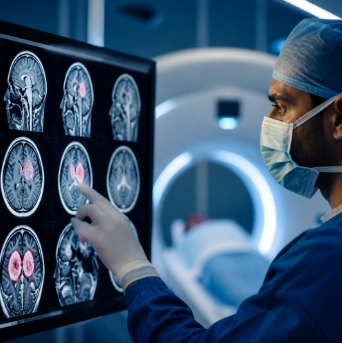
When cancer affects the brain or nervous system, patients face a uniquely complex medical challenge. Brain tumors represent some of the most difficult cancers to treat, requiring specialized expertise that combines neurosurgery, medical oncology, and radiation therapy. The field of neurological oncology has evolved dramatically over the past decade, bringing new hope to patients who previously had limited treatment options. Understanding what happens when cancer invades the central nervous system helps patients and families make informed decisions about where to seek care and what questions to ask.
The Unique Challenge of Brain and Nervous System Cancers
Brain tumors differ fundamentally from other cancers. The blood-brain barrier, which normally protects the brain from toxins, also blocks many chemotherapy drugs from reaching tumor cells. Surgical access is complicated by the need to preserve critical brain functions, and radiation must be precisely targeted to avoid damaging healthy tissue that controls movement, speech, memory, or sensation. Primary brain tumors like glioblastoma, meningioma, and medulloblastoma each require distinct treatment approaches. Metastatic brain tumors, which spread from cancers elsewhere in the body, present their own set of challenges.
The symptoms of neurological cancers vary depending on tumor location. Frontal lobe tumors may cause personality changes or difficulty with decision-making before physical symptoms appear. Temporal lobe involvement can affect memory and language. Tumors near the motor cortex cause weakness or coordination problems. Seizures, persistent headaches, vision changes, and balance issues all warrant neurological evaluation, though most people with these symptoms do not have brain tumors.
Advances in Diagnostic Imaging and Molecular Testing
Modern neurological oncology relies heavily on advanced imaging technologies. MRI with contrast enhancement remains the gold standard for detecting brain tumors, but newer techniques like functional MRI, diffusion tensor imaging, and magnetic resonance spectroscopy provide additional information about tumor biology and location relative to critical brain structures. PET scans using specialized tracers can distinguish active tumor from treatment-related changes, a common diagnostic dilemma after radiation therapy.
Molecular profiling has transformed how doctors classify and treat brain tumors. Testing for IDH mutations, MGMT promoter methylation, and 1p/19q codeletion status helps predict how aggressive a glioma will be and which treatments are most likely to work. These genetic markers have become as important as traditional pathology in guiding treatment decisions. Some targeted therapies work only in tumors with specific molecular characteristics, making accurate testing essential.
Treatment Approaches in Neurological Oncology
Surgery remains the foundation of treatment for most brain tumors when safe removal is possible. Neurosurgeons use intraoperative MRI, fluorescence-guided surgery, and awake craniotomy techniques to maximize tumor removal while preserving brain function. The extent of surgical resection strongly influences survival in many tumor types, though complete removal is not always achievable when tumors infiltrate critical areas.
Radiation therapy has become increasingly precise through technologies like stereotactic radiosurgery and intensity-modulated radiation therapy. These approaches deliver high doses to tumors while minimizing exposure to surrounding brain tissue. Proton beam therapy, available at specialized centers, offers additional precision for certain tumor locations. The timing and sequencing of radiation with chemotherapy depends on tumor type and patient factors.
Chemotherapy for brain tumors includes both traditional agents like temozolomide and newer targeted drugs. Drug delivery remains a major challenge due to the blood-brain barrier. Researchers are exploring methods to enhance drug penetration, including temporary disruption of the blood-brain barrier, convection-enhanced delivery directly into brain tissue, and modifications to drug molecules that allow them to cross more easily.
The Importance of Multidisciplinary Cancer Care
Neurological oncology requires tight coordination among multiple specialists. A patient’s care team typically includes neuro-oncologists, neurosurgeons, radiation oncologists, neuroradiologists, neuropathologists, and rehabilitation specialists. Tumor boards where these experts review cases together ensure that treatment plans incorporate multiple perspectives and follow evidence-based guidelines. The complexity of managing brain tumor patients extends beyond cancer treatment to include seizure control, management of brain swelling, prevention of blood clots, and support for cognitive and emotional challenges.
For patients in the Middle East seeking advanced neurological cancer care, Neuro-oncology Dubai programs at major medical centers provide comprehensive multidisciplinary teams with access to advanced diagnostic imaging, surgical technologies, and both standard and emerging treatment options. These specialized programs coordinate all aspects of brain tumor care, from initial diagnosis through treatment and long-term follow-up, ensuring patients receive integrated care rather than fragmented consultations with individual specialists.
Emerging Therapies and Clinical Trials
Immunotherapy has shown promise in some brain tumor types, though results have been more limited than in other cancers. Checkpoint inhibitors occasionally produce dramatic responses in tumors with high mutational burden or mismatch repair deficiency. CAR T-cell therapy and tumor-treating fields represent novel approaches still being refined. Vaccine strategies aim to train the immune system to recognize tumor-specific proteins.
Clinical trials offer access to experimental treatments before they become widely available. Many neuro-oncology programs actively conduct research studies testing new drugs, combinations, or treatment sequences. Recent breakthroughs in cancer treatment have demonstrated how targeted therapies and immunotherapies continue to expand options for patients with previously treatment-resistant cancers. Patients should discuss trial eligibility with their oncology team, understanding both the potential benefits and the risks of experimental approaches.
Managing Side Effects and Quality of Life
Brain tumor treatment often causes significant side effects that require proactive management. Cognitive changes may affect memory, attention, and processing speed. Fatigue is nearly universal during and after treatment. Seizures require antiepileptic medication, though drug selection must consider interactions with chemotherapy. Corticosteroids used to control brain swelling cause their own set of problems including weight gain, elevated blood sugar, mood changes, and muscle weakness.
Rehabilitation plays a crucial role in helping patients recover function after surgery or radiation. Physical therapy addresses weakness and balance problems. Occupational therapy helps patients adapt to cognitive changes and maintain independence in daily activities. Speech therapy supports those with language difficulties. Neuropsychological evaluation identifies specific cognitive deficits and guides targeted interventions. Just as patients benefit from guidance on medication management in various medical contexts, as explored in discussions about safe and informed pharmaceutical use, brain tumor patients need clear information about their complex medication regimens and potential interactions.
Making Informed Treatment Decisions
Choosing where to receive neurological oncology care is one of the most important decisions patients face. Volume matters in brain tumor treatment—surgeons and centers that treat more cases tend to have better outcomes. Access to advanced technologies, participation in clinical trials, and availability of supportive services all factor into the equation. Patients should ask about the team’s experience with their specific tumor type, complication rates, and how decisions are made.
Second opinions provide valuable reassurance and sometimes reveal additional options. Bringing imaging studies, pathology slides, and medical records to a specialized neuro-oncology center allows experts to review the diagnosis and recommend treatment approaches. Many patients find that a second evaluation confirms the initial plan, which can provide confidence moving forward. Others discover alternative strategies worth considering.
Brain and nervous system cancers demand specialized expertise, advanced technology, and coordinated multidisciplinary care. While these remain among the most challenging cancers to treat, ongoing research continues to improve outcomes. Patients benefit from seeking care at centers with dedicated neurological oncology programs where teams focus specifically on these complex cases. Understanding the available diagnostic and treatment options empowers patients and families to participate actively in care decisions and advocate for the comprehensive support that managing these conditions requires.
