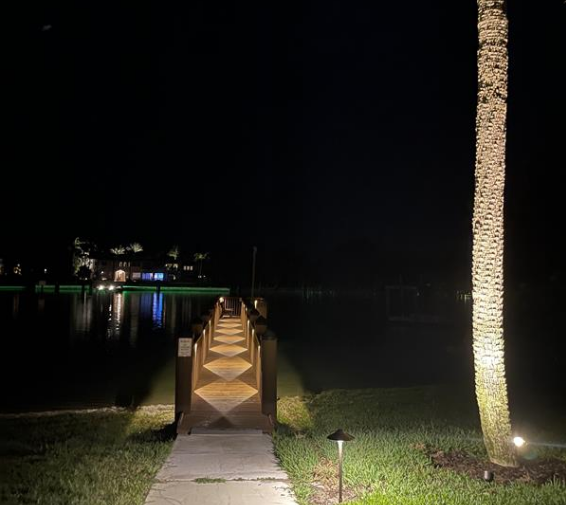
Marine courtesy lights are an important part of boat lighting, providing low-level illumination for decks, cabins, walkways, steps, and other areas where visibility is needed without creating excessive glare. Whether you own a fishing boat, yacht, pontoon boat, cruiser, or small recreational vessel, the right courtesy lighting can make nighttime boating more comfortable, practical, and safer.
Unlike powerful navigation or flood lights, courtesy lights are designed to provide subtle, controlled illumination. They help passengers move around the boat, locate equipment, enter and exit cabins, and navigate steps and passageways after dark.
This complete guide explains what marine courtesy lights are, where they are used, the different types available, how to choose them, installation considerations, and maintenance tips.
What Are Marine Courtesy Lights?
Marine courtesy lights are compact lighting fixtures designed to provide soft, localized illumination on a boat. They are commonly installed close to the floor, along walkways, under seating areas, around steps, inside cabins, or along the sides of a deck.
The purpose is not to brightly illuminate the entire boat. Instead, courtesy lights create enough light to identify obstacles, steps, surfaces, and pathways while minimizing glare.
Many modern marine courtesy lights use LED technology because LEDs consume relatively little power, generate less heat, and can provide long operating life. They are available in different shapes, colors, brightness levels, and mounting styles.
Why Are Courtesy Lights Important on Boats?
Good lighting is particularly important on a boat because darkness can make ordinary obstacles difficult to see. Wet surfaces, raised deck areas, ropes, seats, hatches, and steps can become difficult to identify at night.
Courtesy lighting can help with:
- Illuminating steps and stairways
- Marking walking paths
- Providing light around seating areas
- Improving visibility on decks
- Lighting cabin entrances
- Providing soft illumination inside cabins
- Helping passengers locate equipment
- Reducing the need to use bright overhead lights
- Making nighttime boating more comfortable
Properly positioned lighting can also help preserve night vision. Extremely bright lights can make it harder for people to see beyond the illuminated area, particularly when operating or moving around a boat at night.
Marine Courtesy Lights vs. Navigation Lights
It is important to understand that courtesy lights and navigation lights serve different purposes.
Navigation lights are used to communicate a vessel’s position, direction, and status to other boats. They are part of a vessel’s required lighting system and must follow applicable maritime regulations.
Courtesy lights, on the other hand, are primarily intended to illuminate areas of the boat for passengers and crew.
A courtesy light should therefore not be treated as a replacement for required navigation lighting. When outfitting a boat, navigation lights, anchor lights, and other legally required lighting should be installed and operated according to the regulations applicable to the vessel and location.
Types of Marine Courtesy Lights
There are several types of courtesy lights available for boats. Choosing the right style depends on where the light will be installed and how much illumination is required.
1. Surface-Mount Courtesy Lights
Surface-mount lights are attached directly to a wall, panel, seat base, or other surface. They are relatively simple to install because they do not always require a large cutout.
These lights are useful when access behind the mounting surface is limited. They can be installed along cabin walls, cockpit areas, steps, and deck structures.
2. Flush-Mount Courtesy Lights
Flush-mount lights are installed so that the fixture sits nearly level with the surrounding surface. They provide a clean and integrated appearance.
They are commonly used on modern boats where owners want the lighting system to blend into the design. Flush-mounted fixtures are particularly useful on walkways and areas where protruding components could become obstacles.
3. Recessed Courtesy Lights
Recessed lights are installed inside a cavity or opening in the mounting surface. Only the front portion of the fixture remains visible.
They can provide a streamlined appearance and are often used for step lighting, cabin lighting, and deck illumination.
4. Step Lights
Step lights are specifically designed to illuminate stairs and changes in deck level. They can be mounted on the vertical face of a step or nearby surface.
The goal is to make each step visible without shining intense light directly into a person’s eyes.
5. Under-Gunwale and Under-Seat Lights
These lights are installed beneath gunwales, seats, consoles, or other structures. They can create indirect illumination across a deck or cockpit.
Because the light source is partially hidden, this configuration can provide useful illumination while reducing direct glare.
6. Cabin Courtesy Lights
Cabin courtesy lights are designed for interior spaces such as sleeping compartments, passageways, lounges, and storage areas.
Warm-white LEDs are often preferred in cabins because they can provide a softer and more comfortable atmosphere than very bright cool-white lighting.
LED Marine Courtesy Lights
LEDs have become a popular choice for marine lighting because of their combination of efficiency, durability, and compact size.
Traditional incandescent bulbs can consume significantly more electrical power and produce considerable heat. LEDs generally require less energy for a comparable amount of illumination and can have a much longer service life.
Other advantages of LED courtesy lights include:
- Low power consumption
- Long operating life
- Compact construction
- Low heat output compared with incandescent lighting
- Fast illumination
- Many color choices
- Availability in different shapes and mounting configurations
For boats where electrical energy is limited, reducing the power required for lighting can be particularly useful.
Choosing the Right Color
Marine courtesy lights are available in several colors, including white, blue, red, and other decorative colors.
White Light
White is a practical choice for general-purpose illumination. It provides good visibility and works well for steps, walkways, cabins, and work areas.
Warm White
Warm white creates a softer appearance and is often suitable for cabins, seating areas, and entertaining spaces.
Blue Light
Blue courtesy lighting is sometimes selected for decorative purposes or to create a particular nighttime atmosphere. However, brightness and glare should still be considered.
Red Light
Red lighting can be useful in situations where preserving dark adaptation is important. It is often associated with nighttime operations, although its suitability depends on the particular application.
The most important factor is not simply the color but how the light affects visibility, glare, and the surrounding environment.
Waterproofing and Marine Durability
Boats operate in environments where fixtures may be exposed to water, spray, humidity, salt, condensation, and temperature changes. Marine courtesy lights should therefore be designed for the environment where they will be installed.
Pay attention to the fixture’s stated water and dust resistance rating. A light installed in a dry cabin does not necessarily require the same level of protection as one mounted on an exposed deck.
Saltwater environments can be particularly demanding. Salt deposits and moisture can contribute to corrosion, electrical connection problems, and deterioration of poorly protected components.
Marine-grade construction, corrosion-resistant materials, sealed housings, and appropriate connectors can help improve long-term reliability.
Voltage and Electrical Compatibility
Before purchasing a marine courtesy light, check that its electrical requirements match the boat’s electrical system.
Common marine electrical systems include 12-volt and 24-volt systems, although other configurations exist.
The light should be compatible with the boat’s supply voltage. Installing an incompatible fixture can result in poor performance, premature failure, or electrical damage.
It is also important to consider total power consumption. If multiple courtesy lights are installed, their combined electrical load should be taken into account when planning the circuit.
Where Should Marine Courtesy Lights Be Installed?
The best location depends on the boat’s layout.
Common installation points include:
- Along cockpit walkways
- Near stairs and steps
- Around cabin entrances
- Under seats
- Beneath gunwales
- Around helm areas
- Along side decks
- Near doors and hatches
- Inside cabins
- Around storage compartments
- Near swimming platforms
The objective should be consistent, useful illumination rather than simply installing as many lights as possible.
Lights placed too high can create unnecessary glare. Lights placed too low or behind obstructions may fail to illuminate the intended area.
Installation Considerations
Installing courtesy lights requires more than simply connecting wires to a power source.
First, identify the mounting location and check for wiring, structural components, tanks, or other equipment behind the surface.
Electrical connections should be properly protected from moisture. Marine-rated wiring, connectors, terminals, fuses, and switches should be selected according to the application.
Every circuit should have appropriate overcurrent protection. Wiring should also be routed and secured so that it does not rub against sharp edges or become exposed to unnecessary movement and moisture.
If you are unsure about electrical work on a boat, having the installation performed or inspected by a qualified marine electrician can help prevent wiring faults and other problems.
Maintenance of Marine Courtesy Lights
Even durable marine lights require occasional inspection.
Regularly check for:
- Cracked lenses
- Corrosion
- Loose mounting screws
- Damaged wiring
- Moisture inside the fixture
- Loose electrical connections
- Dimming or flickering
- Failed LEDs
- Damaged switches
Clean the lens periodically using a suitable non-abrasive cleaner. Salt and dirt can reduce the amount of light produced by the fixture.
Electrical connections should also be inspected for signs of corrosion, particularly on boats frequently exposed to saltwater.
How Many Courtesy Lights Does a Boat Need?
There is no universal number of courtesy lights required for every recreational boat. The appropriate number depends on the vessel’s size, layout, intended use, and lighting design.
Instead of focusing only on quantity, consider the areas where people actually walk and work.
For example, a small boat may need only a few strategically positioned fixtures around the cockpit, steps, and cabin. A larger cruiser may require separate lighting zones for the cockpit, side decks, stairs, cabins, and interior passageways.
Even spacing can help create consistent illumination, but lights do not necessarily need to be installed at identical distances if the boat’s structure does not allow it.
Courtesy Lighting and Energy Efficiency
Energy efficiency becomes particularly important when a boat relies on batteries for extended periods.
LED courtesy lights can help reduce the electrical load compared with older lighting technologies. However, efficiency still depends on the number of fixtures, brightness, operating time, and control system.
Using separate switches for different lighting zones can prevent unnecessary lights from operating simultaneously.
For example, a boat might have independent controls for cabin lights, cockpit lights, step lights, and exterior courtesy lighting. This allows the operator or passengers to illuminate only the areas they need.
Smart and Dimmable Marine Lighting
Modern marine lighting systems can include dimming controls, multiple lighting zones, remote controls, and integrated switching systems.
Dimming can be particularly useful because different situations require different brightness levels. A low setting may be suitable for relaxing in the cockpit, while a brighter setting can be useful when cleaning, preparing equipment, or moving around unfamiliar areas.
When using dimmable fixtures, make sure the lights, dimmer, and electrical system are designed to work together.
Common Mistakes to Avoid
One of the most common mistakes is choosing a light based only on appearance. A stylish fixture may not be appropriate for an exposed marine environment.
Other mistakes include:
- Using non-marine-rated fixtures in wet areas
- Installing lights that are excessively bright
- Creating glare for the helm or passengers
- Failing to protect electrical connections
- Using incompatible voltage
- Neglecting circuit protection
- Installing lights where they can be easily damaged
- Using decorative lighting without considering visibility
- Ignoring corrosion protection
A good marine lighting system should balance appearance, functionality, durability, and electrical efficiency.
Final Thoughts
Marine courtesy lights are small components that can have a significant impact on nighttime comfort and visibility aboard a boat. From illuminating cockpit steps to creating soft cabin lighting, they provide practical light without the intensity of large floodlights or work lights.
LED technology, marine-grade construction, appropriate water resistance, efficient electrical design, and thoughtful placement are key considerations when selecting courtesy lights.
The best lighting setup is one that provides enough illumination to move around the boat safely and comfortably while minimizing glare and unnecessary energy consumption. By selecting fixtures appropriate for their intended location and maintaining the electrical and mounting systems properly, boat owners can create a dependable lighting system for both deck and cabin use.
