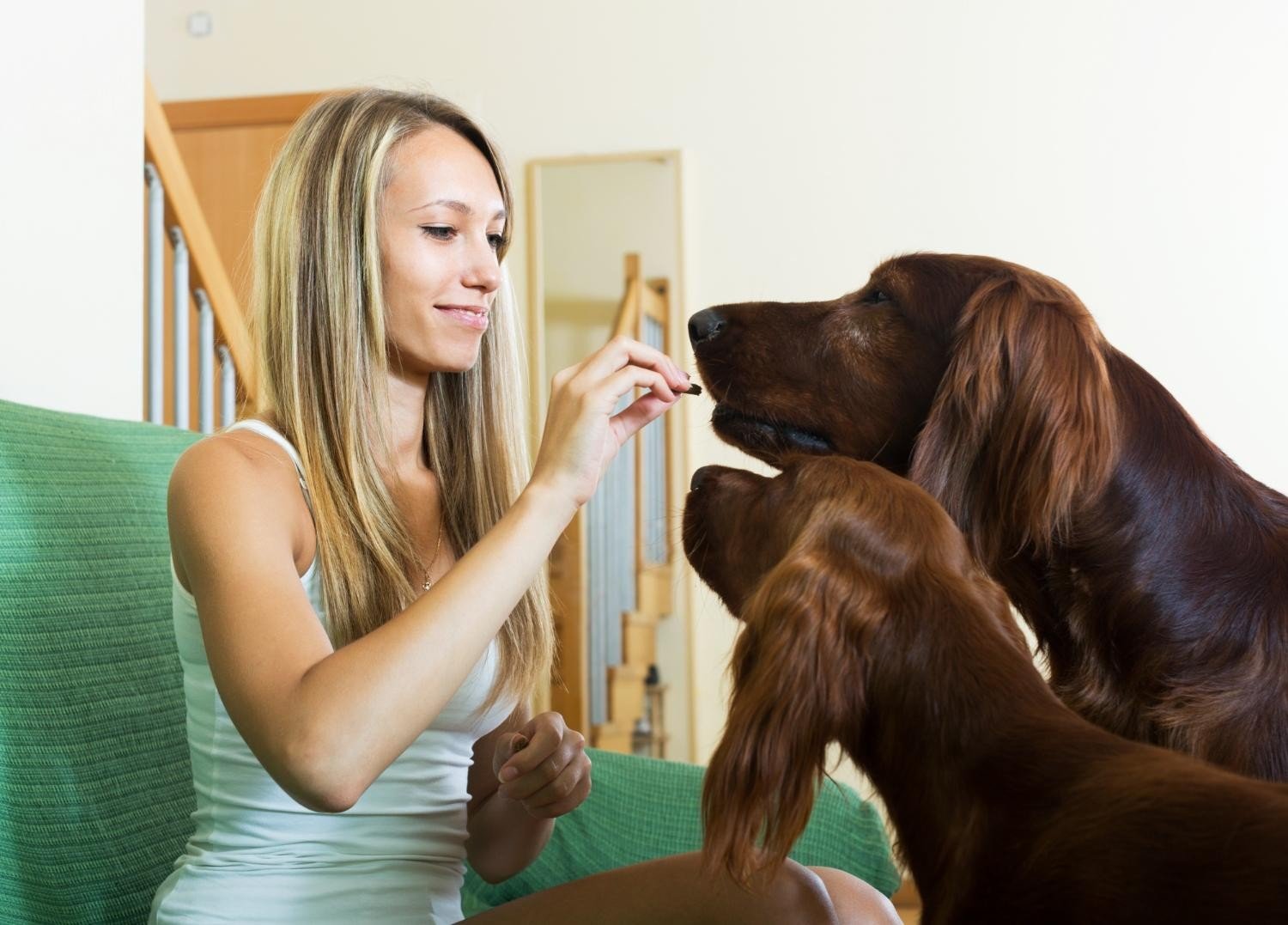
Dogs have a natural need to chew. Some dogs enjoy chewing as part of their daily routine, while others turn to chew products when they are bored, restless, or looking for something interesting to do. For pet owners, finding a chew that suits their dog can take some trial and observation because every dog has different preferences, chewing habits, and dietary needs.
Among the many options available, collagen sticks for dogs have become a popular choice for owners looking for an enjoyable chew that can also fit into a balanced routine. Collagen is a naturally occurring protein found in connective tissues, including skin, bones, and cartilage. When processed into a chew, it creates a texture that many dogs find appealing.
Choosing any edible chew should still involve consideration of your dog’s size, age, chewing style, and overall diet. A product that works well for one dog may not necessarily be the right option for another. Understanding what collagen chews are, how they can fit into a dog’s routine, and what to look for when selecting them can help make the decision easier.
Why Dogs Enjoy Chewing
Chewing is a normal behavior for dogs. Puppies may chew as they investigate their surroundings and experience changes in their mouths. Adult dogs may chew because they enjoy the texture, need mental stimulation, or simply find the activity satisfying.
Chewing can provide something for a dog to focus on, particularly during quiet periods of the day. Giving a dog an appropriate chew may also provide an alternative to household objects that might otherwise become targets.
However, chewing habits differ greatly. Some dogs take their time with a chew, while others work through edible products quickly. Strong chewers may also require different options from dogs with gentler chewing habits.
For this reason, choosing a chew should always start with understanding the individual dog rather than simply selecting the most popular option.
What Are Collagen Sticks?
Collagen sticks are edible dog chews made primarily from collagen. Collagen is a structural protein naturally found in animals. In chew products, it is processed into a form that gives dogs something to gnaw on.
The texture can vary depending on how the product is made. Some sticks are relatively firm, while others may be softer or easier to work through. This variation means pet owners should check the product description and feeding recommendations before making a purchase.
The appeal of collagen sticks for dogs comes partly from their texture. Dogs that enjoy chewing may find them satisfying because they can spend time working on the chew rather than consuming it immediately.
The chewing experience itself can be an important part of the product’s appeal.
Collagen as a Protein
Collagen is a protein that naturally occurs in connective tissues. It contains amino acids that form part of the structure of tissues in the body.
However, it is important to distinguish between a chew containing collagen and a complete nutritional supplement. A collagen chew should generally be considered a treat or chew rather than a replacement for a nutritionally complete dog food.
Dogs require a balanced diet that provides appropriate amounts of protein, fats, carbohydrates, vitamins, minerals, and other nutrients. Treats and chews should fit into that overall dietary picture.
Pet owners should therefore avoid assuming that a collagen chew alone can provide everything a dog needs nutritionally.
A Longer Chewing Experience
One reason some owners choose collagen sticks for dogs is the opportunity for a longer chewing session compared with small treats that disappear quickly.
The actual chewing time depends on the dog’s size, chewing strength, and the dimensions and texture of the product. A smaller dog may spend more time working through a particular stick, while a large and determined chewer may finish it relatively quickly.
A longer chewing activity can be useful during periods when a dog needs something engaging to focus on. For example, some owners may offer an appropriate chew during a quiet evening or after a walk.
It is still important to supervise the dog and observe how it handles the product.
Choosing the Right Size
Size matters when selecting an edible chew. A product that is too small for a large dog may be consumed very quickly and may not provide the intended chewing experience. At the same time, a very large chew may be unnecessarily difficult for a small dog to handle.
Check the manufacturer’s recommended size or weight range before purchasing. Consider your dog’s actual chewing behavior as well.
If your dog tends to swallow treats quickly rather than chewing them thoroughly, an edible chew may need closer supervision. Dogs that aggressively bite and break apart chews may also need products selected specifically for their chewing habits.
There is no universal chew that is ideal for every dog.
Think About Your Dog’s Age
Age can influence how a dog interacts with a chew.
Young puppies may have different chewing needs from adult dogs. Their mouths and teeth are still developing, so owners should choose products appropriate for their stage of development.
Adult dogs often have stronger chewing habits, although individual differences can still be significant.
Senior dogs may have dental concerns or changes in chewing ability. A product that was comfortable for a dog several years earlier may no longer be appropriate.
Before introducing a new chew, consider your dog’s current condition rather than relying on what worked in the past.
Consider Dental Health
Chewing can involve contact between the product and a dog’s teeth, which is one reason many owners associate chews with dental care. However, edible chews should not automatically be treated as a complete dental hygiene solution.
Regular dental care remains important. Depending on the dog’s needs, this may include tooth brushing, veterinary dental examinations, and other recommended dental practices.
If your dog has damaged teeth, gum problems, oral pain, or a history of dental disease, speak with a veterinarian before introducing particularly firm chew products.
A dog that suddenly stops chewing or appears uncomfortable while eating should also be checked by a professional.
Ingredients Matter
When purchasing any edible product for a dog, reading the ingredient information is worthwhile.
Look for clear labeling that explains what the product contains. Avoid assuming that a product is suitable simply because it is marketed as natural or healthy. Individual dogs can have allergies, intolerances, or dietary restrictions that make certain ingredients unsuitable.
If your dog follows a restricted diet, carefully compare the ingredient list with its regular food and other treats.
Pet owners should also consider how many treats and chews their dogs receive during the day. Even appropriate products can contribute additional calories when offered frequently.
How Collagen Chews Fit Into a Routine
A chew can become part of a dog’s routine without becoming an everyday necessity.
For example, an owner may offer a chew after exercise, during a quiet period, or occasionally as a reward. The timing can depend on the dog’s routine and behavior.
Some dogs may become excited when they recognize that chewing time is approaching. Establishing a consistent routine can help them understand when it is appropriate to settle down with a chew.
However, chewing should not replace physical activity, social interaction, training, or other forms of enrichment. Dogs need a variety of experiences to stay active and engaged.
Chewing and Mental Stimulation
Dogs use their mouths to explore their environment, and chewing can provide sensory stimulation.
An appropriate chew gives a dog something to concentrate on. This can be especially useful for dogs that become restless when they have limited activity.
That does not mean every bored dog simply needs a chew. Boredom can often be addressed through walks, training exercises, scent games, play, social interaction, and environmental enrichment.
A chew can be one part of a broader routine rather than the only form of entertainment.
Supervision Is Important
Even when a chew is designed for dogs, supervision remains a sensible part of responsible use.
Watch how your dog handles the product when introducing it for the first time. Pay attention to whether the dog chews gradually or attempts to swallow large pieces.
Remove the chew if it becomes small enough to present a potential swallowing concern or if it develops sharp or unusual pieces.
Dogs can behave differently depending on the product. A dog that normally chews calmly may become more enthusiastic around a particularly appealing treat.
Supervision allows owners to understand their dog’s chewing style and make better choices in the future.
Store Chews Properly
Proper storage is another small detail that can make a difference.
Follow the storage instructions provided with the product. Some edible chews may need to be kept in a cool, dry location, while others may have specific recommendations after opening.
Keep chews away from areas where pets can access them without supervision. This prevents dogs from consuming more than intended and helps owners control the number of treats offered throughout the day.
Always check the packaging for freshness information and discard products that appear spoiled, contaminated, or otherwise unsuitable.
Do Collagen Sticks Suit Every Dog?
No single chew is right for every dog.
A dog with dietary sensitivities may need a carefully selected product. A dog with dental problems may require softer options or veterinary guidance. A powerful chewer may interact with the product differently from a gentle chewer.
Dogs can also simply have personal preferences. Some may love collagen based chews, while others may show little interest.
The best approach is to introduce new products carefully and observe your dog’s response.
If your pet has an existing medical condition, food allergy, dental issue, or dietary restriction, consult your veterinarian before adding a new edible chew to its routine.
Avoid Overfeeding Treats
Chews are treats, and treats should generally be considered part of the dog’s overall calorie intake.
It can be easy to overlook calories from chews because they are often used during activities or given as occasional rewards. However, frequent treats can add up.
Consider the dog’s meals, training treats, dental products, and other snacks when deciding how often to offer an edible chew.
Portion control is particularly important for dogs that are prone to gaining weight.
A balanced routine does not mean removing treats completely. It means making sure they are offered in an appropriate amount.
Introducing a New Chew
When trying collagen sticks for dogs for the first time, start by observing how your dog interacts with the product.
Allow your dog to investigate the chew and see whether it naturally begins chewing. Do not leave the dog unattended during the initial experience.
Watch for signs of difficulty, unusual swallowing behavior, digestive upset, or a lack of interest.
If your dog handles the chew comfortably, you can determine whether it fits into its regular treat rotation.
Introducing one new product at a time also makes it easier to identify what works and what does not.
What Makes a Good Chew Choice?
A suitable chew should match the dog’s individual characteristics.
Consider:
- Your dog’s size
- Age and life stage
- Chewing strength
- Dental condition
- Dietary requirements
- Known food sensitivities
- Recommended serving information
- Product ingredients
- Appropriate supervision
These factors are more useful than choosing a product solely because it is popular.
The goal is to find something your dog enjoys while keeping its overall routine balanced and responsible.
A Simple Addition to Enrichment
Dogs benefit from having different ways to stay occupied. Walks provide physical activity, training provides mental challenges, play encourages interaction, and appropriate chews can provide a focused chewing activity.
Collagen sticks for dogs can fit into this broader approach when they are selected appropriately and offered in moderation.
They are not a replacement for complete nutrition, exercise, veterinary care, or regular dental hygiene. Instead, they can serve as an occasional edible chew that gives dogs an activity they naturally enjoy.
Understanding your dog’s habits makes it easier to decide when and how to offer one.
FAQs
Are collagen sticks safe for dogs?
Collagen chews can be suitable for many dogs when selected according to their size and chewing habits and used as directed. Dogs should be supervised while chewing, especially when trying a new product.
Can puppies have collagen sticks?
It depends on the individual product and the puppy’s age and development. Always check the recommended age range and consider asking a veterinarian if you are unsure.
How often can I give my dog a collagen stick?
The appropriate frequency depends on the product, your dog’s size, diet, calorie requirements, and overall treat intake. Follow the product’s feeding guidance and account for the chew within the dog’s daily diet.
Are collagen sticks a replacement for brushing my dog’s teeth?
No. Chews should not be considered a complete replacement for regular dental care. Tooth brushing and veterinary dental care may still be necessary.
Can dogs with sensitive stomachs have collagen chews?
Some dogs may tolerate them well, while others may experience digestive upset from a new treat. Introduce new products carefully and consult your veterinarian if your dog has known dietary sensitivities.
How should I choose the right collagen chew?
Consider your dog’s size, age, chewing strength, dietary needs, and dental condition. Check the ingredients and feeding recommendations before purchasing.
Why do dogs enjoy collagen chews?
Many dogs naturally enjoy chewing, and collagen products can provide a texture that keeps them engaged. The chewing experience itself can be satisfying for dogs that have a strong interest in chewing.
Should I leave my dog alone with a collagen chew?
Supervision is recommended. Monitor how your dog chews the product and remove it if it becomes small enough to create a potential swallowing concern or develops an unusual shape.
