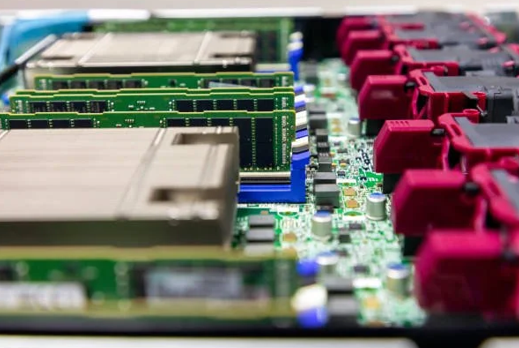
Server memory affects how well a server handles applications, databases, virtual machines, and large workloads. A poor memory choice can lead to slow performance, compatibility issues, or unexpected downtime. This makes the supplier behind the hardware just as relevant as the memory specifications themselves. Ram Exchange provides memory options for different server environments, helping businesses source compatible hardware based on their system requirements. Choosing the right Server Memory Supplier means looking beyond product availability and checking factors such as compatibility, quality, testing, support, and long-term availability.
Server Memory Is More Than a Hardware Upgrade
RAM gives servers the working space they need to process information. When a server has enough suitable memory, applications can access data more efficiently and handle multiple tasks at the same time. Adding memory is not simply a matter of choosing the largest capacity available. Servers have specific requirements for memory type, speed, capacity, configuration, and compatibility. A module that looks suitable on paper may not work correctly with a particular server platform. This is one reason supplier selection deserves attention before placing an order. A supplier with knowledge of server hardware can help reduce the risk of purchasing memory that does not match the system.
Compatibility Should Come First
Server memory needs to match the specifications of the server or workstation where it will be installed. Different systems can require different memory generations, capacities, speeds, and module types.
Before buying, businesses should check:
- Server manufacturer and model
- Supported memory generation
- Maximum supported capacity
- Memory speed requirements
- ECC requirements
- Registered or unbuffered memory type
- Number of available memory slots
- Existing memory configuration
Compatibility is especially important in business environments because a memory issue can affect applications that employees rely on every day. A supplier that can help verify specifications can make the purchasing process easier and reduce avoidable errors.
Quality Matters in Server Environments
Servers often operate for long periods and may handle important business workloads. Memory problems can cause crashes, application errors, system instability, and other performance issues.Quality should therefore be considered alongside price. Reliable suppliers generally have processes for checking memory modules before they reach customers. Testing can help identify faulty components and reduce the chances of installing defective hardware.
Businesses should also ask about the condition of the memory they are purchasing. New, refurbished, and used modules can all serve different requirements, but buyers need clear information about what they are receiving. Ram Exchange focuses on server and computer memory hardware, giving businesses an option for sourcing memory based on their equipment needs.
Availability Can Affect Server Planning
Memory requirements do not always stay the same. A company may add more users, deploy new applications, increase database workloads, or expand its server environment. These changes can create a need for additional RAM. A supplier with a broad inventory can make it easier to find matching modules when an upgrade is required. This matters because mixing unsuitable memory can create compatibility problems. For businesses managing several servers, consistent sourcing can also simplify maintenance. Keeping records of the memory installed in each system helps IT teams identify suitable replacement or upgrade options later.
Supplier Knowledge Can Save Time
Technical specifications can be confusing, especially when older server hardware is involved. Model numbers, memory generations, ECC types, module formats, and speed ratings all need to be considered. A knowledgeable supplier can help buyers identify the correct part instead of leaving them to compare specifications alone.
Good supplier support may include:
- Checking memory compatibility
- Identifying suitable replacement modules
- Explaining memory specifications
- Confirming capacity and configuration
- Helping source older or less common modules
- Providing information about product condition
This type of assistance can be useful for IT teams that manage different server models across multiple locations.
Price Should Not Be the Only Consideration
Budget matters, but the cheapest memory module is not automatically the most practical choice. A low-cost module that fails or proves incompatible can create additional expenses. These may include shipping costs, installation time, system downtime, troubleshooting, and replacement purchases. Businesses should compare the complete value of an order. Product quality, testing, compatibility assistance, warranty terms, availability, and supplier experience can all affect the actual cost of a purchase. A sensible buying decision considers the role the memory will perform and the consequences of failure.
Older Servers Need Special Attention
Many businesses continue to use older servers because their existing systems still meet operational needs. Finding compatible memory for these machines can become harder as manufacturers stop producing certain components. Older systems may use memory specifications that are no longer common in newer equipment. Purchasing a visually similar module is not enough. The electrical and technical specifications still need to match the server. Suppliers that handle a wide range of memory products may be better positioned to help businesses locate suitable modules for older systems. This can support maintenance projects without requiring an immediate server replacement.
See also: The Digital Essentials Every Mumbai Business Needs
Testing Helps Reduce Unnecessary Problems
Server memory should be checked before installation whenever possible. Testing can identify faulty modules and help confirm that hardware is operating as expected. Businesses purchasing memory in larger quantities should also consider how modules will be checked before deployment. A supplier with established testing processes provides an additional layer of confidence during procurement. This becomes particularly useful for businesses purchasing replacement memory for multiple servers. Testing each module before installation can reduce the chance of discovering a problem after the hardware has already been installed.
Keep Business Growth in Mind
Memory requirements can change as workloads grow. Virtualization, databases, analytics, business applications, and other services can all increase demand for RAM. Planning upgrades based on current and expected workloads can help businesses avoid repeated purchases. IT teams can review current memory usage, available slots, supported capacity, and expected growth before deciding what to purchase. The supplier can then be selected based on its ability to provide compatible products as those requirements change. Ram Exchange can be considered as part of that sourcing process, particularly for businesses comparing memory options for different server environments.
What to Check Before Ordering
A short checklist can prevent many purchasing mistakes. Before placing an order, confirm:
- Exact server make and model
- Required memory type
- Supported capacity
- Required speed
- ECC requirements
- Registered or unbuffered specification
- Number of modules needed
- Condition of the memory
- Testing or warranty information
- Supplier availability and support
Having these details ready can make communication with a supplier much clearer. It also helps prevent orders based only on a general memory description.
The Role of Computer Memory Products
Server RAM is one part of a larger hardware environment. Businesses may also need memory for workstations, desktops, storage systems, or other computing equipment. Using suitable computer memory products for each system helps maintain compatibility across different types of hardware. The specifications should always be checked against the equipment rather than selected solely by capacity or price. A supplier that handles different categories of memory can make sourcing easier for companies managing varied hardware requirements.
Choosing a Supplier With Long-Term Needs in Mind
The right supplier can become a useful resource for both immediate replacements and future upgrades. Businesses should consider product range, technical knowledge, testing practices, availability, support, and purchasing requirements before deciding where to source memory. A supplier does not need to provide every possible product to be useful. Clear product information and reliable assistance can be more valuable than a large catalogue that leaves buyers uncertain about compatibility. For companies planning server upgrades or replacing faulty modules, Ram Exchange offers another sourcing option to consider alongside these practical checks.
Making the Right Server Memory Choice
Server memory has a direct connection to system performance and reliability, but choosing the correct module requires more than checking capacity. Compatibility, quality, testing, availability, and supplier support all deserve attention.Taking time to evaluate these factors can reduce purchasing errors and make future upgrades easier to manage. A reliable Server Memory Supplier can also help businesses make better-informed hardware decisions as their server requirements change. If you need help sourcing suitable server memory for your systems, contact us today to discuss your requirements and available memory options.
