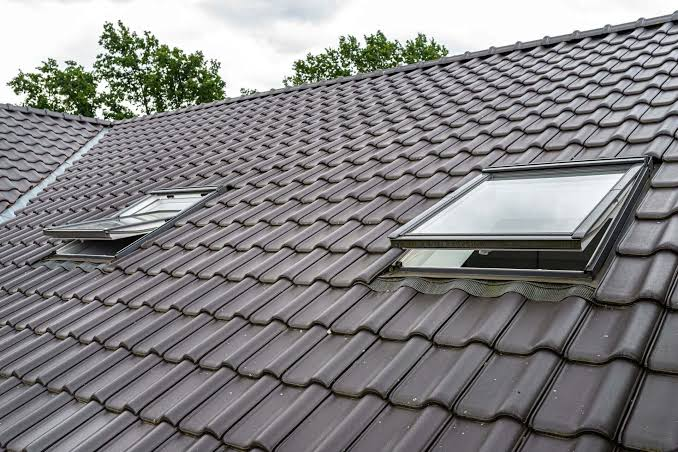
Natural light can make a noticeable difference to a room, especially in spaces where traditional windows are limited. Flat roof skylights UK can be a practical option for bringing more daylight into kitchens, extensions, offices, bathrooms and other flat-roofed spaces. A well-chosen skylight can brighten a room while making better use of the available roof area. Roof Lights provides rooflight options for different applications, but factors such as size, glazing, ventilation, insulation and installation should all be considered before choosing the right product.
Check The Existing Roof Structure
The first step is to look at the roof itself. Flat roofs can have different construction methods, materials and support systems, so a skylight needs to work with the existing structure.The position of roof joists is particularly important. Cutting into the roof without proper planning can affect its support, so the opening should be carefully measured and prepared. Older properties may also need closer inspection before any changes are made. Before ordering a rooflight, check the condition of the roof and consider whether it can support the proposed opening. A roofer or suitable professional can assess the structure and identify any work needed before installation.
Choose A Size That Fits The Room
A larger skylight does not automatically mean a better result. The size should relate to the room, its existing windows and the amount of daylight already available.For example, a small bathroom may only need a compact rooflight, while a large kitchen extension may benefit from a much wider opening. The position matters too. Placing a rooflight where it can spread daylight across the room can make better use of the available light.
Think about:
- The overall room size
- Existing windows and doors
- Ceiling height
- The purpose of the room
- Where natural light is most needed
Taking these points into account can help prevent the rooflight from looking too large or too small for the space.
Pay Attention To Glazing
Glazing has a direct effect on the performance of a skylight. It influences how much daylight enters the room, as well as heat retention, comfort and safety. Different types of glazing have different properties. A rooflight for a heated living space may need stronger thermal performance than one installed over an unheated garage.
When comparing glazing, look at its:
- Thermal performance
- Light transmission
- Strength and safety properties
- Resistance to condensation
- Cleaning and maintenance needs
The right specification will depend on the building and the room. It is useful to consider the glazing alongside the insulation and construction of the rest of the roof rather than treating it as a separate feature.
Decide If Ventilation Is Needed
Some rooms need extra airflow as well as more daylight. Bathrooms, kitchens and utility rooms can have higher moisture levels, making ventilation an important part of the design. A fixed skylight may be suitable where the room already has enough ventilation. An opening rooflight can provide additional airflow where the design allows it. Think about how the room is normally used. A bathroom may benefit from an opening option after a shower, while a home office may mainly need daylight and insulation. The operation of the rooflight should also be practical. Manual opening may work well for an easily accessible rooflight, while another location may require a different opening system.
Consider Heat And Insulation
A rooflight forms part of the building’s roof, so its thermal performance deserves careful consideration. A suitable product should work with the existing roof insulation and help maintain comfortable indoor temperatures. During winter, good thermal performance can help reduce unwanted heat loss. In warmer weather, the amount of sunlight entering the room can also affect indoor temperatures. For a home extension or renovated room, look at the whole roof construction rather than focusing only on the glass. The rooflight, frame, insulation and surrounding materials should all work together.
Think About The Overall Appearance
The appearance of a rooflight can have an effect both inside and outside the property. Some homeowners prefer a simple design that sits neatly with the roof, while others may want a more noticeable feature.The choice can depend on the type of property and the room beneath it. A rooflight over a modern extension may be selected to complement the clean design of the space, while a garage or workshop may have more practical requirements. Roof Lights has rooflight options that can be considered for different flat roof applications. Looking at the product design alongside its technical specifications can help you choose something that suits both the building and its intended use.
Do Not Overlook Installation
The installation method is just as important as the rooflight itself. A correctly specified product can still cause issues if the opening, flashing or waterproofing is not handled properly. The installer needs to work carefully around the existing roof covering and make sure the rooflight is securely fixed. The area around the opening must also be protected against water ingress.
Installation may involve:
- Preparing the correct roof opening
- Supporting the surrounding roof structure
- Installing the appropriate upstand or flashing
- Maintaining insulation around the opening
- Sealing the rooflight correctly
- Checking drainage around the installation
Using a suitably experienced installer can help reduce the risk of leaks and other problems after the work is completed.
Consider Cleaning And Maintenance
Rooflights are exposed to rain, dust, leaves and other debris. Over time, this can affect the amount of light passing through the glazing. Think about access before installation. A rooflight that is difficult to reach may require a different cleaning arrangement than one that can be accessed safely.Simple checks can also help identify problems early. Look for signs of damage, moisture around the frame, cracked seals or changes in the appearance of the glazing.Keeping the surrounding roof in good condition is also useful. Blocked drainage or damaged roof coverings can affect the area around the skylight and should be dealt with promptly.
Check Safety And Building Requirements
Changing a roof involves more than creating an opening and fitting a skylight. Depending on the property and project, building regulations or other requirements may need to be considered. Glazing safety can also matter, particularly where the rooflight is installed above an area that is regularly occupied. Structural support is another consideration if part of the existing roof needs to be altered.
Before work begins, check whether you need to consider:
- Structural calculations
- Building regulations
- Suitable glazing specifications
- Roof access and installation safety
- Planning requirements where applicable
Getting the relevant advice before starting the work can help avoid changes later.
Think About The Room In The Future
A room’s purpose can change over time. A space used as a home office today could become a bedroom, study or living area later. For this reason, it is useful to think beyond the immediate project. Consider how the room may be used in several years and choose the rooflight accordingly. For example, ventilation may become more important if the space changes from storage to regular living accommodation. Similarly, thermal performance may matter more once a previously unused room becomes part of the main living area.
Compare The Options Carefully
Once the main requirements are clear, compare suitable rooflight products based on their specifications rather than appearance alone.
A simple comparison can include:
- Available sizes
- Glazing options
- Thermal performance
- Fixed or opening design
- Installation requirements
- Maintenance needs
- Compatibility with the existing roof
Roof Lights can also be included in your research when comparing rooflight choices for different flat roof projects. Checking the technical details before ordering can make it easier to select a product that fits the property and the intended use.
Make The Choice Based On The Property
There is no single rooflight specification that suits every flat roof. A small bathroom, large extension, office and garage can all have different requirements.The most useful starting point is the building itself. Look at the roof construction, available space, amount of daylight, ventilation needs and thermal requirements before deciding on a product. For anyone researching flat roof skylights uk, taking these practical details into account can make the selection process much clearer. A well-planned rooflight should provide the desired daylight while fitting properly into the roof and remaining practical to maintain.
Planning a flat roof skylight project? Reach out to us today to discuss your requirements and explore suitable rooflight options for your property.
