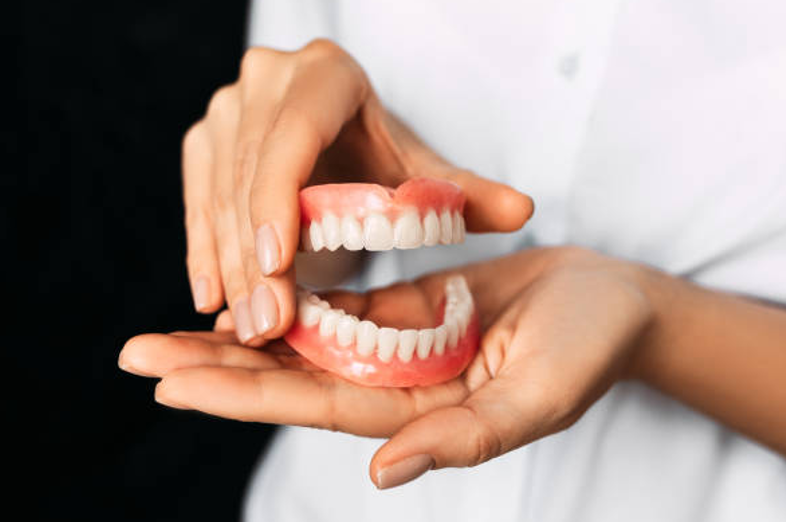
Missing teeth can influence how you eat, speak, smile, and feel about your appearance. Dentures remain an established tooth replacement option, but modern dentistry has expanded the choices available to patients who want improved stability and comfort.
For people researching affordable dentures in Fort Worth, understanding the differences between traditional and implant-supported dentures can help when preparing for a consultation. The right option depends on factors such as oral health, jawbone condition, the number of missing teeth, lifestyle needs, and long-term treatment goals.
What Are Modern Dentures?
Modern dentures are custom-made dental restorations designed to replace missing teeth and surrounding gum structures. They can be used when several teeth or an entire arch of teeth are missing.
Unlike older denture designs, today’s treatment can incorporate advanced materials, digital planning, and implant support. This allows dental professionals to create restorations that focus on appearance, function, fit, and patient comfort.
Traditional Removable Dentures
Traditional dentures rest on the gums and are designed to replace a complete arch or multiple missing teeth. They can be removed by the patient for cleaning and maintenance.
The fit of conventional dentures depends heavily on the shape of the gums and underlying jawbone. Changes in the mouth over time can affect how securely the denture fits, which is why professional adjustments and periodic evaluations are important.
Implant-Supported Dentures
Implant-supported dentures use dental implants to provide additional support and retention. Instead of relying entirely on the gums, the denture connects to implants positioned within the jaw.
Snap-on dentures are one type of implant-supported restoration. They remain removable while providing a more secure connection during everyday use.
Why Are Implant-Supported Dentures Becoming Popular?
Patients considering dentures often want more than tooth replacement. Stability, comfort, appearance, and ease of maintenance can all influence the treatment decision.
Implant-supported options can address some of the concerns associated with loose or unstable removable dentures when the patient is an appropriate candidate.
Greater Stability
Dental implants can help keep an implant-supported denture in place. This may reduce movement while eating or speaking compared with a conventional denture.
The level of stability depends on factors such as implant placement, attachment design, jawbone condition, and the overall treatment plan.
Improved Everyday Function
Missing teeth can make chewing more difficult. A well-designed denture can restore much of the function associated with natural teeth, while implant support can provide additional stability.
Patients still need an adjustment period and should follow their dentist’s recommendations about eating habits and denture care during treatment.
Enhanced Confidence
A secure restoration can help patients feel more comfortable when smiling, speaking, and participating in daily activities.
The appearance of modern dentures can also be customized. Tooth color, shape, size, and overall smile proportions can be considered during the design process.
Who May Be a Candidate for Implant-Supported Dentures?
Implant-supported dentures can be appropriate for many patients with significant tooth loss, but candidacy must be determined through a professional evaluation.
Your dentist will consider your oral structures, dental history, treatment goals, and ability to maintain the restoration before recommending an implant-supported solution.
Patients With Multiple Missing Teeth
Patients missing several teeth may be candidates for implant-supported partial or full-arch restorations. The treatment can replace multiple teeth without necessarily requiring an individual implant for every missing tooth.
The number of implants required depends on the restoration design and individual anatomy.
Patients With Loose Traditional Dentures
People who already wear conventional dentures may want to explore implant support if their current restoration moves during eating or speaking.
An examination can determine whether existing dentures can be modified or whether a new implant-supported restoration would be more appropriate.
Patients With Adequate Oral Health
Healthy gums and sufficient jawbone are important considerations for implant treatment. Existing dental problems may need to be addressed before implant placement.
Bone quantity and quality can also affect implant planning. Advanced imaging can help the dental team evaluate the available bone and surrounding anatomy.
What Should You Consider Before Choosing a Denture Solution?
Selecting dentures should involve a comprehensive discussion with your dental provider. A restoration that works well for one patient may not be appropriate for another.
Consider the following factors before making a decision.
Fit and Comfort
A properly designed denture should fit comfortably and provide appropriate support. Poorly fitting dentures can cause irritation, difficulty chewing, or movement.
Your dentist can evaluate the fit during follow-up appointments and make adjustments when necessary.
Appearance
Dentures can be designed to complement your facial features and smile. Discuss the available tooth shapes, shades, materials, and restoration designs with your dental provider.
Digital planning and modern laboratory techniques can support more precise customization.
Maintenance Requirements
All dentures require regular care. Removable restorations should be cleaned according to professional instructions, while implant-supported dentures also require careful cleaning around the implant sites and attachment components.
Routine dental appointments remain important even after your replacement teeth are completed.
How Does the Implant-Supported Denture Process Work?
Understanding the treatment process can make it easier to prepare for a consultation. The exact steps vary according to your dental condition and selected restoration.
Comprehensive Consultation
The process begins with an examination of your teeth, gums, jawbone, and bite. Your dentist may use digital scans, X-rays, or three-dimensional imaging to gather detailed information.
Your treatment goals and concerns should also be discussed during the consultation.
Treatment Planning
After the evaluation, the dental team develops a customized plan. This may include implant placement, temporary teeth, the type of denture, attachment system, restoration materials, and expected healing time.
A clear treatment plan should explain each stage before treatment begins.
Implant Placement
Dental implants are surgically placed into carefully selected areas of the jaw. The implants then need time to integrate with the surrounding bone.
Depending on the treatment approach, temporary replacement teeth may be provided while healing takes place.
Attaching the Final Denture
Once healing and other necessary treatment stages are complete, the final denture can be attached to the implant system.
The dental team checks the fit, bite, comfort, and function. Adjustments may be made to ensure the restoration works properly.
How Can You Find the Right Denture Provider?
When searching for denture implants near me, consider more than convenience or advertised pricing. Implant-supported dentures involve both surgical and restorative treatment, so provider experience matters.
Evaluate Implant Expertise
Review the dentist’s implant training, experience, treatment options, and approach to personalized care.
Ask whether the practice regularly provides the type of denture or implant restoration you are considering and whether the team can manage the different stages of treatment.
Look at Diagnostic Technology
Modern implant planning can involve digital imaging and three-dimensional diagnostics. These technologies can help evaluate bone structure and anatomical considerations before treatment.
Better Teeth Now describes the use of advanced diagnostic and digital planning technologies as part of its implant treatment approach.
Ask About Restoration Materials
The material used for your final restoration can influence its appearance, strength, and maintenance requirements.
Ask your provider about available materials and why a particular option has been recommended for your treatment.
What Factors Can Affect Denture Costs?
The cost of dentures varies based on the type of restoration and the procedures required.
Type of Denture
Traditional removable dentures generally involve a different treatment process from implant-supported or snap-on dentures.
The number of implants, attachment system, restoration design, and laboratory work can all affect the overall cost.
Additional Dental Treatment
Some patients may require preliminary treatment before receiving dentures or implants. Existing dental conditions, gum problems, or bone-related concerns can influence the treatment plan.
A personalized examination is therefore necessary to determine the expected investment.
Financing Options
Patients should ask about available financing and payment options before beginning treatment. It is also useful to understand what is included in the quoted price, including consultations, imaging, temporary restorations, final dentures, and follow-up care.
How Should You Care for Implant-Supported Dentures?
Proper maintenance can help protect your restoration and the tissues surrounding the implants.
Clean the Denture Regularly
Removable dentures should be cleaned according to your dentist’s instructions. Use products specifically recommended for your restoration to avoid unnecessary damage.
The areas around the implants and attachments should also be cleaned carefully.
Attend Routine Dental Visits
Regular professional examinations allow your dental team to monitor the condition of the implants, gums, attachments, and denture.
Your dentist can also identify changes in fit or wear and recommend adjustments or repairs when needed.
Frequently Asked Questions
Are snap-on dentures removable?
Yes. Snap-on dentures are generally designed to attach securely to dental implants while remaining removable by the patient for cleaning and maintenance.
Are implant-supported dentures more stable than traditional dentures?
Implant-supported dentures can provide additional retention because they connect to implants within the jaw. However, the amount of stability depends on the patient’s anatomy, implant placement, attachment system, and restoration design.
Can existing denture wearers switch to implant-supported dentures?
Some existing denture wearers may qualify for implant-supported treatment. A dental examination is necessary to evaluate jawbone condition, gum health, and other factors before treatment is recommended.
How long can dentures last?
The lifespan of a denture depends on its materials, fit, daily care, oral changes, and professional maintenance. Implant components and removable dentures can have different maintenance and replacement timelines.
Where can I learn more about implant-supported dentures?
Patients interested in learning more about available treatment options can visit Texas Implant & Dental Center to explore denture and implant services and arrange a professional consultation.
Conclusion
Modern dentures provide more options for replacing missing teeth while supporting appearance and everyday oral function. Traditional removable dentures may work well for some patients, while implant-supported solutions can offer additional stability for appropriate candidates.
The best choice depends on your oral health, jawbone condition, number of missing teeth, treatment goals, budget, and maintenance preferences. A comprehensive consultation with an experienced dental provider can help you understand your options and create a personalized plan for a more comfortable and confident smile.
