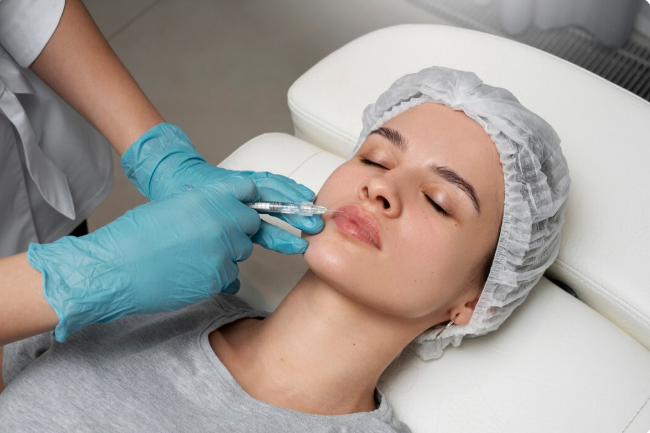
Dermal filler injections are minimally invasive cosmetic treatments used to add volume, soften the appearance of certain facial lines, and enhance selected facial contours. Different fillers are formulated for different areas and may contain materials such as hyaluronic acid or other injectable substances. The appropriate product depends on the treatment area, desired result, facial anatomy, and recommendations from a qualified provider. Understanding how fillers work, what treatment involves, and what aftercare may be required can help patients make informed decisions. A consultation is an important part of determining whether dermal fillers are suitable for your cosmetic goals.
What Are Dermal Filler Injections?
Dermal fillers are injectable cosmetic products placed beneath the skin to restore or add volume in targeted areas. They may be used to improve the appearance of facial folds, enhance lips, define certain contours, or address areas where volume has decreased over time. The effect depends on the type of filler, the amount used, the treatment area, and individual facial characteristics. Because facial structures differ between patients, filler treatment should be planned according to the person’s anatomy rather than based on a standard amount.
Before treatment, a qualified provider should evaluate the area being considered and discuss your cosmetic goals. This assessment helps determine whether filler is appropriate and which type may be suitable. The provider can also explain expected results, possible side effects, treatment limitations, and aftercare instructions. Patients should have an opportunity to ask questions before deciding to proceed.
You can learn more about available treatment options by reviewing the information on dermal filler injections in Kent, WA.
What Areas Can Dermal Fillers Treat?
Dermal fillers can be used in several areas of the face, depending on the product and the provider’s assessment. Common treatment areas include the lips, cheeks, chin, jawline, and areas affected by facial volume loss. Certain fillers may also be used to soften the appearance of wrinkles and folds. The treatment plan should be based on the patient’s facial structure and the specific concern being addressed.
Common areas that may be treated include:
- Lips
- Cheeks
- Chin
- Jawline
- Nasolabial folds
- Marionette lines
- Areas affected by volume loss
- Selected facial contours
Not every filler is appropriate for every area. Different products have different properties, including consistency, flexibility, thickness, and longevity. A provider can select a product based on the location and desired outcome. Using the appropriate product in the appropriate anatomical area is an important part of responsible cosmetic treatment.
How Do Dermal Fillers Work?
Dermal fillers add volume beneath the skin in carefully selected locations. Some fillers attract and retain water, while others stimulate changes in the skin’s underlying structure. The mechanism depends on the specific filler being used. The provider places the product at a selected depth and location to achieve the intended cosmetic effect.
The amount of filler required varies from one person to another. Using more product does not necessarily produce a better cosmetic outcome. Careful placement and appropriate product selection are important because facial balance depends on the relationship between different features. A qualified provider can determine where volume may be beneficial while avoiding unnecessary treatment.
Results may be visible shortly after treatment, although swelling can temporarily affect the appearance of the treated area. As the initial swelling settles, the final appearance becomes easier to assess. Some treatments may also require more than one appointment depending on the desired outcome and the provider’s treatment plan.
What Should You Expect During Treatment?
Dermal filler treatment generally begins with a consultation and assessment of the treatment area. The provider may discuss your medical history, current medications, allergies, previous cosmetic treatments, and desired results. The treatment area may then be cleansed and prepared before the filler is injected. Depending on the product and treatment area, a topical or local numbing option may be used to improve comfort.
The injections are typically administered at specific points and depths determined by the treatment plan. Treatment time varies according to the number of areas being addressed and the amount of product required. Patients may experience temporary sensations such as pressure, pinching, or mild discomfort during the injections. Your provider should explain what you may feel during treatment and what to expect immediately afterward.
After the procedure, the treated area may appear swollen or slightly red. Small areas of bruising or tenderness can also occur. These effects generally improve as the area heals, although recovery varies depending on the individual and treatment site.
What Are the Potential Benefits?
The potential benefits of dermal fillers depend on the treatment area and the patient’s cosmetic goals. Fillers may restore lost volume, enhance facial contours, or soften the appearance of selected lines and folds. Some products can also provide subtle improvements in facial symmetry or proportion. Results are typically intended to maintain the patient’s natural facial structure rather than create an exaggerated appearance.
Potential benefits may include:
- Restoring selected areas of facial volume
- Enhancing lip shape or volume
- Improving the appearance of certain facial contours
- Softening selected lines and folds
- Supporting facial balance
- Creating temporary cosmetic changes without surgery
The outcome depends on several factors, including the filler selected, injection technique, treatment area, and individual response. Patients should discuss realistic expectations during their consultation. A provider can explain what a particular filler may reasonably accomplish and whether another treatment may be more appropriate.
How Long Do Dermal Fillers Last?
The longevity of dermal filler results varies depending on the product and treatment area. Some fillers may last several months, while others can provide results for a year or longer. Areas with frequent movement may process certain fillers differently from areas with less movement. Individual metabolism can also influence how quickly the body breaks down the product.
Maintenance treatments may be recommended when the effects begin to diminish. The timing of any future treatment depends on the filler used and how the patient responds. Patients should not assume that all fillers require the same treatment schedule.
During a consultation, ask which product is being recommended and how long results are generally expected to last. You can also ask about the possibility of future treatments and how maintenance may fit into your cosmetic goals.
What Is the Difference Between Dermal Fillers and Sculptra?
Dermal fillers and Sculptra are both injectable aesthetic treatments, but they work differently. Traditional dermal fillers are commonly used to provide volume directly in selected facial areas. Sculptra contains poly-L-lactic acid and works by stimulating collagen production over time rather than simply adding immediate volume. The treatment approach and expected timeline therefore differ.
Patients considering Sculptra injections for face can discuss whether this treatment is appropriate for their concerns. Sculptra may be considered when gradual improvement in facial volume and skin appearance is desired. Results develop progressively, and multiple treatment sessions may be recommended depending on the individual’s needs.
The choice between a traditional dermal filler and Sculptra should be based on the treatment area, desired outcome, facial anatomy, and provider assessment. These treatments are not interchangeable in every situation. A consultation can help determine which option is better suited to the patient’s goals.

What Should You Do After Dermal Filler Treatment?
Aftercare instructions depend on the product, treatment area, and provider’s recommendations. Patients may be advised to avoid excessive pressure on the treated area immediately after treatment. Certain strenuous activities, heat exposure, or other activities may also need to be limited for a short period. Following the provider’s specific instructions can help support proper healing.
Common aftercare considerations may include:
- Avoiding unnecessary pressure or massage unless instructed
- Following activity restrictions provided by your clinician
- Keeping the treatment area clean
- Monitoring temporary swelling or bruising
- Following recommended skincare instructions
- Attending any recommended follow-up appointment
Patients should contact their provider if they experience unexpected or concerning symptoms after treatment. Although complications are uncommon, injectable treatments can carry risks. Prompt professional assessment is appropriate when symptoms appear unusual, severe, or persistent.
Are Dermal Filler Injections Safe?
Dermal fillers are medical cosmetic treatments and should be administered by an appropriately qualified and trained professional. Like other injectable procedures, fillers can involve potential side effects and complications. Common temporary effects may include redness, swelling, tenderness, bruising, or discomfort around the injection site.
More serious complications can occur, although they are uncommon. These can include infection, allergic reactions, lumps, changes in skin appearance, or accidental injection into a blood vessel. Vascular complications can be serious and require prompt medical attention. Choosing an appropriately trained provider and discussing your medical history before treatment are important safety considerations.
Patients should disclose relevant medications, allergies, previous filler treatments, and other information requested during the consultation. This allows the provider to assess whether treatment is appropriate and identify factors that may affect the procedure or recovery.
Who May Not Be a Good Candidate?
Not everyone is an appropriate candidate for dermal fillers. Suitability depends on medical history, current health, medications, allergies, skin condition, treatment expectations, and the specific product being considered. A provider may recommend postponing or avoiding treatment under certain circumstances.
Factors that may require additional assessment include:
- Active skin infection near the treatment area
- Certain allergies or sensitivities
- Previous complications from injectable treatments
- Certain medical conditions
- Pregnancy or breastfeeding
- Use of medications that may affect treatment or bruising
- Unrealistic expectations about the results
A consultation allows the provider to review these considerations before treatment. Patients should answer medical questions accurately and provide complete information about previous cosmetic procedures. If a treatment is not appropriate, the provider may recommend waiting or considering another option.
Choosing a Provider for Dermal Fillers in Kent, WA
Selecting a qualified provider is one of the most important decisions when considering dermal fillers. Look for a professional who understands facial anatomy, injectable techniques, product characteristics, potential complications, and appropriate aftercare. The consultation should include a discussion of your goals rather than simply focusing on the amount of filler being used.
Ask questions about the product, treatment area, expected results, potential side effects, recovery, and follow-up care. You should also understand who will perform the injections and what training they have received. Clear communication before treatment can help ensure that expectations are realistic and that you understand the procedure.
Cost should also be discussed before treatment. Pricing may depend on the product, number of treatment areas, amount required, and number of sessions. A consultation can provide a clearer understanding of the recommended treatment plan and associated costs.
Conclusion
Dermal filler injections can provide temporary changes in facial volume, contours, and selected lines or folds without surgical treatment. The right product, injection technique, treatment area, and amount depend on each patient’s facial anatomy and cosmetic goals. A professional consultation is essential for discussing expected results, potential risks, aftercare, and treatment suitability. Patients considering injectable treatments in Kent, WA should choose a qualified provider and make decisions based on personalised clinical guidance.
To discuss your cosmetic treatment goals and available options, you can contact Implant Oral Surgery & Aesthetics and arrange a consultation. A professional assessment can help determine which treatment, if any, is appropriate for your needs.
Frequently Asked Questions
1. What are dermal filler injections used for?
Dermal filler injections are used to add volume or enhance selected facial areas. Depending on the product, they may improve the appearance of lips, cheeks, facial contours, wrinkles, folds, or areas affected by volume loss.
2. How long do dermal filler results last?
Results vary depending on the type of filler, treatment area, and individual factors. Some fillers last several months, while others may provide results for a year or longer. Your provider can discuss the expected longevity of the recommended product.
3. Are dermal filler injections painful?
Patients may experience mild discomfort, pressure, or pinching during injections. Some filler products contain a local anesthetic, and a provider may also use a topical numbing product when appropriate.
4. What are common side effects of dermal fillers?
Common temporary effects include swelling, redness, tenderness, and bruising around the injection site. More serious complications are uncommon but can occur, which is why treatment should be performed by an appropriately qualified professional.
5. Can dermal fillers and Sculptra be used together?
In some treatment plans, different injectable treatments may be used for complementary goals. However, the appropriate combination depends on facial anatomy, treatment objectives, medical history, and the products being considered. A qualified provider should determine whether combining treatments is appropriate.
