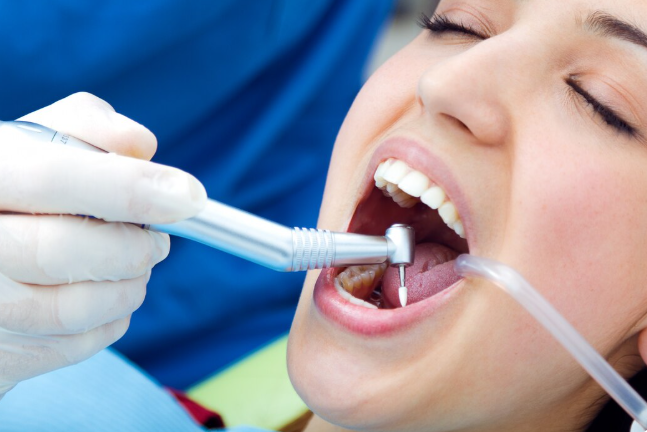
Dental technology gives dentists several options for treating the teeth, gums, and surrounding oral tissues. Dental laser treatment uses concentrated light energy for selected dental procedures and can be used in place of, or alongside, traditional techniques. Depending on the type of laser and procedure, it may assist with gum treatment, periodontal care, tissue reshaping, and other dental needs. Patients considering laser dentistry in Kent, Washington, often want to know how the treatment works, what it can address, and what the experience may involve. Understanding these details can help you have a more informed conversation with your dentist.
What Is Dental Laser Treatment?
Dental laser treatment uses focused light energy to interact with specific oral tissues. Dental lasers are available in different types, with each system designed for particular applications. Some are primarily used for soft tissues, while others can be used with hard dental tissues. The dentist selects the appropriate laser and settings based on the procedure and the area being treated.
Laser dentistry is not a single treatment for every dental problem. It is a technology that can be used for specific clinical purposes. In some situations, the laser may be the primary instrument used for a procedure, while traditional dental tools may still be needed for other parts of treatment. A dental examination helps determine whether laser technology is suitable for your condition.
How Does Dental Laser Treatment Work?
A dental laser directs concentrated light energy toward the area being treated. Depending on the wavelength and type of laser, the energy interacts with different components of the tissue. This allows the dentist to perform controlled procedures involving selected areas of the mouth. The dentist adjusts the laser settings according to the tissue and treatment requirements.
Patients generally receive protective eyewear during laser procedures. The dental team follows specific safety procedures while operating the equipment. Local anesthesia may or may not be required depending on the type and depth of treatment. Your dentist can explain how the laser will be used and what sensations you may experience before the procedure begins.
What Can Dental Laser Treatment Be Used For?
Dental lasers have several applications, particularly for procedures involving the gums and soft tissues. The exact uses depend on the laser system and the dentist’s training and experience. Laser technology may be used as part of periodontal treatment, gum procedures, and selected restorative or preventive treatments.
Potential applications include:
- Treating selected gum conditions
- Supporting periodontal procedures
- Reshaping or removing excess gum tissue
- Treating certain soft tissue concerns
- Reducing bacteria during specific procedures
- Supporting selected restorative treatments
- Managing certain areas of inflamed or diseased tissue
Not every patient with a particular dental condition will require laser treatment. The dentist considers the diagnosis, location of the problem, oral health, and treatment goals before recommending a specific technique. Traditional dental methods may still be more appropriate for some procedures.
Dental Laser Treatment for Gum Health
Healthy gums help support the teeth and contribute to overall oral health. Plaque and bacteria that remain around the teeth can contribute to gum inflammation and periodontal disease. Depending on the condition being treated, laser technology may be incorporated into periodontal care. The dentist may use a laser to work on selected gum tissue or assist with bacterial management.
Laser treatment does not eliminate the need for good daily oral hygiene. Brushing, cleaning between the teeth, professional dental cleanings, and regular examinations remain important. Patients with gum disease may also require a personalised periodontal care plan based on the severity of their condition. The dentist can explain whether laser treatment has a role in that plan.
What Are the Potential Benefits of Dental Laser Treatment?
One reason dentists may use laser technology is its ability to provide controlled treatment of selected tissues. Some procedures performed with lasers may involve less bleeding because the energy can affect small blood vessels in the treated area. Certain patients may also experience less swelling or discomfort after particular procedures, although the recovery experience varies.
Potential benefits may include:
- Precise treatment of selected tissues
- Reduced bleeding during certain procedures
- Less direct contact with tissue in some applications
- Potential reduction in swelling after selected treatments
- Support for bacterial reduction in appropriate procedures
- An additional treatment option alongside conventional techniques
These potential benefits depend on the procedure, laser system, and individual patient. Laser dentistry should not automatically be considered superior to conventional dental treatment. Your dentist can explain the advantages and limitations of laser treatment for your specific condition.
Is Dental Laser Treatment Painful?
The level of discomfort associated with dental laser treatment varies according to the procedure and the tissue being treated. Some treatments may require little or no local anesthesia, while others may still require numbing to maintain patient comfort. The dentist considers the depth of treatment and the sensitivity of the area before deciding what is appropriate.
Patients may experience sensations such as warmth, pressure, vibration, or mild discomfort during some procedures. After treatment, the area may feel tender or sensitive for a short period. Following the dentist’s aftercare instructions can help support recovery. Persistent or severe pain should be reported to the dental office.
What Should You Expect During a Laser Dental Appointment?
A laser dental appointment generally begins with an examination and discussion of the condition being treated. The dentist may review your dental history and explain why laser technology is being considered. Once the treatment plan is established, the dental team prepares the treatment area and provides appropriate protective equipment. Anesthesia may be administered if it is needed for the procedure.
During treatment, the dentist directs the laser toward the targeted area while controlling the settings throughout the procedure. The length of the appointment depends on the type and extent of treatment. Patients should let the dental team know if they experience unexpected discomfort. Once treatment is complete, the dentist provides instructions for caring for the treated area.
How Long Does Dental Laser Treatment Take?
There is no single treatment time for laser dentistry because different procedures require different amounts of time. A simple soft tissue procedure may take less time than periodontal treatment involving multiple areas. The condition being treated and the number of teeth or gum areas involved can also affect the appointment length.
Your dentist can provide a more accurate estimate after examining your mouth. The treatment plan may involve one appointment or several visits depending on the condition. Follow-up appointments may also be recommended to monitor healing and assess the results of treatment.
Dental Laser Treatment Compared With Traditional Dental Techniques
Laser technology and conventional dental instruments each have applications in modern dentistry. A laser can provide controlled energy to selected tissues, while traditional instruments may be better suited to other procedures. The dentist’s choice depends on the type of tissue, treatment objective, and clinical circumstances.
Patients should avoid choosing a treatment method based only on the technology being used. A professional evaluation is necessary to determine which technique is appropriate. In some cases, laser treatment and conventional methods may be used together. Your dentist can explain the reasons for the recommended approach.
Does Laser Dentistry Replace Other Dental Treatments?
Laser dentistry does not replace every form of dental care. Patients may still need fillings, crowns, cleanings, periodontal care, dental implants, or other procedures depending on their oral health. For patients researching options such as same day dental implants cost, laser dentistry addresses a different area of treatment and should not be viewed as an alternative to implant restoration.
Dental lasers are tools used for selected procedures rather than a replacement for all dental equipment. The dentist chooses the appropriate technique after evaluating the patient’s condition. A complete treatment plan may involve several types of dental procedures.
Dental Laser Treatment and Preventive Care
Preventive dentistry remains important even when laser technology is available. Regular dental examinations can help identify cavities, gum problems, enamel changes, and other concerns before they become more advanced. Daily brushing and cleaning between the teeth also help control plaque and maintain healthy gums.
Additional preventive treatments may be recommended based on a patient’s risk of dental disease. For example, silver diamine fluoride treatment may be considered in certain situations involving tooth decay. Preventive and minimally invasive treatment options depend on the individual condition of the teeth. Your dentist can explain which treatments may be appropriate during an examination.
Who May Benefit From Dental Laser Treatment?
Laser dentistry may be suitable for patients who need certain procedures involving gum tissue, soft tissue, or other conditions that can be treated with a dental laser. However, not everyone is a candidate for laser treatment. The dentist needs to examine the teeth and gums and consider the patient’s treatment needs before making a recommendation.
Factors that may be considered include:
- The type of dental condition
- The location and extent of the affected area
- Gum and tooth health
- Previous dental treatment
- Treatment goals
- Available dental techniques
- The suitability of laser technology for the procedure
A consultation can help determine whether laser treatment is appropriate. Patients can also ask about conventional alternatives and the expected recovery period before agreeing to treatment.
Preparing for Dental Laser Treatment
Preparation depends on the procedure being performed. Your dentist may provide instructions regarding eating, brushing, medications, or other aspects of care before your appointment. It is important to follow these instructions and tell the dental team about medications, allergies, or recent changes in your oral health.
Before treatment, consider asking your dentist:
- Why is laser treatment being recommended?
- What part of my mouth will be treated?
- Will I need local anesthesia?
- How long should the procedure take?
- What should I eat or avoid afterward?
- How should I clean the treated area?
- Will I need a follow-up appointment?
Having these questions answered can help you understand the procedure and prepare for the appointment.
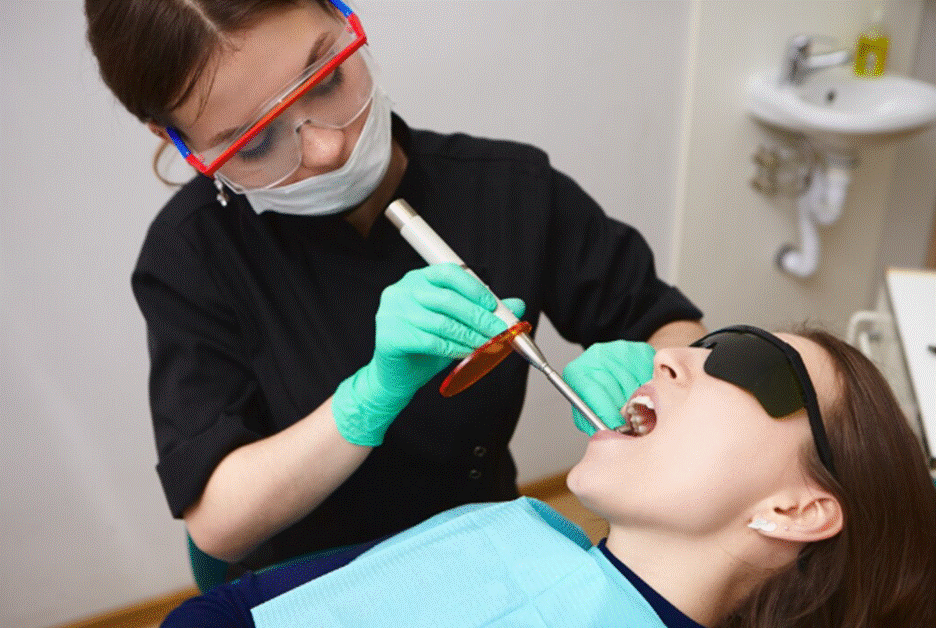
Caring for Your Mouth After Laser Treatment
Aftercare depends on the type of laser procedure performed. Your dentist may recommend temporary changes to your diet, brushing routine, or other oral care habits. Some procedures may require softer foods while the treated area heals. The dental team will explain any restrictions and provide instructions specific to your treatment.
Continue caring for the rest of your mouth as directed. Avoid placing unnecessary pressure on a treated area and follow any recommended medication or mouth rinse instructions. Contact your dental office if you develop significant swelling, severe pain, unusual bleeding, or other unexpected symptoms.
Choosing Laser Dentistry in Kent, WA
Patients searching for dental laser treatment in Kent, Washington, should consider the dentist’s experience, the available technology, the types of procedures offered, and the quality of communication provided during treatment planning. A dental practice should be able to explain why laser treatment is appropriate and whether other techniques may be considered.
An evaluation provides an opportunity to discuss your symptoms, treatment goals, and concerns with the dental team. It also allows the dentist to assess whether laser technology is appropriate for your particular condition. Patients should feel comfortable asking questions before deciding on treatment.
Conclusion
Dental laser treatment provides dentists with an additional method for treating selected conditions involving the gums, teeth, and oral tissues. Depending on the procedure, it may offer controlled tissue treatment, reduced bleeding, and other potential advantages. Laser technology does not replace conventional dental care for every condition, so treatment should always be based on a professional evaluation. Proper preparation, oral hygiene, and aftercare can support a smoother treatment experience. If you are considering laser dentistry in Kent, Washington, discussing your options with a qualified dental professional can help determine whether this approach is right for your needs.
For questions about available treatments or to arrange an appointment, you can contact Implant Oral Surgery & Aesthetics.
Frequently Asked Questions
1. What is dental laser treatment used for?
Dental laser treatment can be used for selected procedures involving the gums, soft tissues, and certain dental conditions. Its applications vary depending on the type of laser and the procedure being performed.
2. Is dental laser treatment painful?
Some laser procedures may require little or no anesthesia, while others may require local anesthesia. Patients may experience warmth, pressure, or mild discomfort depending on the treatment.
3. How long does dental laser treatment take?
Treatment time depends on the procedure and the area being treated. A dentist can provide a more accurate estimate after examining your teeth and gums and developing a treatment plan.
4. Can laser treatment be used for gum disease?
Laser technology may be incorporated into periodontal treatment for selected patients. The appropriate treatment depends on the severity of gum disease and the condition of the affected tissues.
5. How should I care for my mouth after laser treatment?
Aftercare instructions depend on the procedure. Your dentist may recommend dietary changes, specific cleaning methods, or other temporary precautions while the treated area heals.
