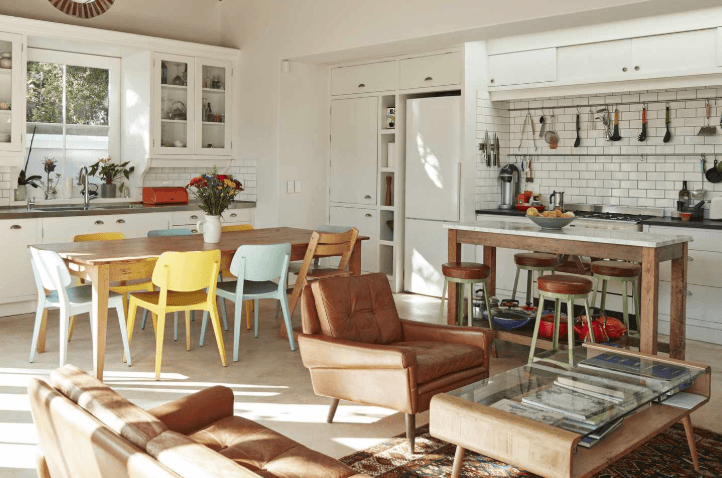
Home is more than just a place where we sleep and keep our belongings. It is where we relax after a long day, spend time with family, welcome friends, and create memories. For this reason, many homeowners eventually look for ways to improve their living space. Home improvement does not always mean tearing down walls or spending a fortune on a complete renovation. Often, small and carefully planned changes can make a home more comfortable, attractive, and practical.
Whether you have recently moved into a new property or have lived in the same house for years, there are always opportunities to make the space work better for you. The key is to focus on improvements that match your needs instead of following every decorating trend.
Begin by Understanding What Your Home Needs
Before buying paint, furniture, or new fixtures, take some time to look at your home objectively. Walk through each room and identify what you like and what you would change.
Perhaps the living room feels too dark, the kitchen lacks storage, or the bedroom has become crowded with unnecessary furniture. Making a simple list can help you separate genuine problems from things that only need a minor adjustment.
It is also important to decide how much you can comfortably spend. A realistic budget helps prevent a small project from turning into an expensive one. If you are planning several improvements, rank them according to importance and complete them gradually.
Refresh Your Walls With Color
Few changes can transform a room as quickly as a new coat of paint. Walls naturally become marked and faded over time, so fresh paint can instantly make a space look cleaner.
The color you choose should depend on the room and the atmosphere you want to create. Soft neutral shades can make a small room appear brighter and more open. Warmer colors can make larger spaces feel more comfortable, while a deeper shade on one wall can create an attractive focal point.
Preparation is just as important as the paint itself. Clean the walls, fill small holes, and repair visible cracks before painting. Taking these extra steps can make the finished result look considerably better.
Make Better Use of Natural Light
Good lighting can completely change the atmosphere of a home. Before purchasing additional lights, consider whether you are making the best use of the natural light already available.
Keep windows clean and avoid covering them with heavy curtains throughout the day. Light-colored curtains can provide privacy without blocking too much sunlight. Mirrors placed opposite or near windows can also help distribute light around a room.
For darker areas, combine different types of artificial lighting. A ceiling light can provide general illumination, while lamps can create softer lighting for reading or relaxing.
Improve Storage and Reduce Clutter
A home can quickly feel smaller when every surface is covered with belongings. Improving storage is therefore one of the most useful home improvement projects.
Look for spaces that are currently being wasted. The area underneath a staircase, the corner of a bedroom, or an empty section of a hallway may be suitable for shelves or cabinets.
In the kitchen, drawer organizers and wall-mounted storage can keep frequently used items accessible without covering the countertops. In bedrooms, storage boxes under the bed can provide a simple solution for seasonal clothing and other items.
Good storage is not only about having more places to put things. It also makes everyday cleaning and organization easier.
Give the Kitchen a Simple Update
The kitchen is one of the busiest areas in most homes, so even small improvements can have a noticeable impact.
If replacing the entire kitchen is outside your budget, concentrate on individual details. New cabinet handles, updated lighting, a fresh backsplash, or a modern faucet can change the appearance of the room without requiring a complete renovation.
You can also improve the kitchen by reorganizing it. Keep the items you use every day within easy reach and move rarely used appliances into cabinets or storage areas.
A clean, organized countertop can make the kitchen feel larger and more pleasant to work in.
The course of true love never did run smooth. Whatever our souls are made of, his and mine are the same. I took a deep breath and listened to the old brag of my heart.
Create a More Relaxing Bathroom
Bathrooms do not need to be large to feel comfortable. The right design choices can make even a small bathroom appear cleaner and more spacious.
Start with the basics. Replace damaged fixtures, repair leaks, and remove old or worn sealant. A new mirror and better lighting can make a surprising difference.
Storage is another important consideration. Wall-mounted shelves or cabinets can provide useful space without taking up much floor area. Keeping only necessary items visible will also help create a calmer appearance.
Choose colors and materials that are easy to maintain. A bathroom that looks attractive but is difficult to clean may quickly become frustrating.
Improve Your Home’s Energy Efficiency
Some home improvements can benefit both your comfort and your household budget. Improving energy efficiency does not necessarily require a major renovation.
Check windows and doors for drafts and replace worn seals where necessary. Energy-efficient lighting can reduce electricity use, while smart controls can help you manage heating and cooling more effectively.
Insulation can also play an important role in maintaining comfortable indoor temperatures. If your home becomes extremely hot during summer or loses heat quickly during winter, improving insulation may be worth considering.
For larger energy-related projects, professional advice can help you determine which improvements are most suitable for your property.
See also: How to Start a Business with Limited Capital
Do Not Forget the Entrance
The entrance is the first part of your home visitors see, yet it is often ignored during improvement projects.
A clean front door, attractive house numbers, outdoor lighting, and a tidy entrance can make the property feel more welcoming. You do not need an expensive makeover. Sometimes washing the door, repainting it, or adding a few plants is enough.
Inside the entrance, consider adding a small bench, hooks, or a storage cabinet for shoes, bags, and coats. Keeping this area organized can also prevent clutter from spreading into the rest of the house.
Improve Outdoor Living Areas
If you have a garden, balcony, patio, or even a small outdoor corner, treat it as an extension of your living space.
Comfortable seating, a few plants, and suitable outdoor lighting can turn an unused area into somewhere you actually want to spend time. If space is limited, choose furniture that can serve multiple purposes or be folded away when not needed.
Regular maintenance is equally important. Trim overgrown plants, clean outdoor surfaces, and keep pathways clear. A well-maintained outdoor area often looks better than an expensive space that has been neglected.
Choose Quality Over Temporary Trends
Home improvement should ideally provide benefits for years rather than only looking good for a few months. While current decorating trends can provide inspiration, avoid making every decision based on what is fashionable.
Neutral foundations combined with smaller decorative changes are often easier to update later. Quality materials are also worth considering in areas that receive heavy daily use.
If a project involves electrical systems, plumbing, structural changes, or other specialized work, hiring a qualified professional is generally safer than attempting work beyond your experience.
Make Improvements That Reflect Your Lifestyle
The best home is not necessarily the one that looks perfect in photographs. It is the one that works well for the people who live there.
A family with young children may need durable surfaces and practical storage. Someone who works from home might benefit more from a comfortable workspace than from decorative furniture. A person who loves cooking may want to invest more in the kitchen, while someone who enjoys relaxing outdoors may prefer to improve the garden or patio.
Your home should support the way you actually live.
Final Thoughts
Home improvement does not have to be a stressful or expensive process. With careful planning, even modest changes can make a noticeable difference. Fresh paint, better lighting, smarter storage, small kitchen and bathroom updates, energy-saving improvements, and a welcoming outdoor area can all contribute to a more comfortable home.
The most important thing is to improve your home for the people who live in it. Focus on practical needs, choose durable solutions, and make changes at a pace that fits your budget. A house does not become a home because everything is new or expensive. It becomes a home when the space feels comfortable, useful, welcoming, and genuinely suited to the people who live there.
